


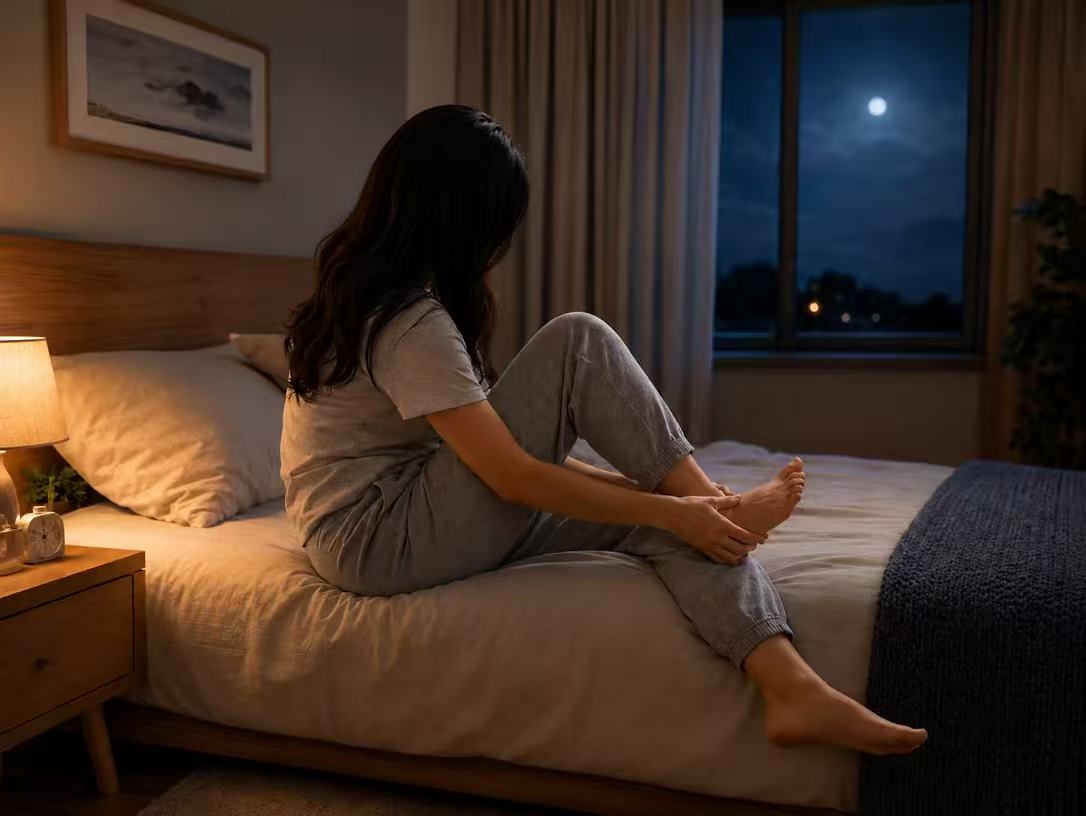
A sudden gout attack at night can keep you from falling asleep. Gout is an inflammatory arthritis caused by uric acid crystals in the joints. It often affects the big toe, ankle, knee, or foot, and symptoms often worsen at night.
This condition generally stems from a lifestyle rich in sugar and purine diets, such as red meat, seafood, alcohol, and sugary drinks.
Many individuals experience the agonizing reality of being awakened by pain in the middle of the night. If you are staring at the ceiling, wondering how to stop gout pain at night, read on for practical steps to manage the flare-up and regain your sleep.
How to Stop Gout Pain at Night?
When a flare-up strikes at 2:00 AM, your goal is immediate gout pain relief. Use these six practical steps to manage a nighttime attack.
1. Take a Painkiller
Take a painkiller or anti-inflammatory medication as prescribed by your doctor. Nonsteroidal Anti-inflammatory Drugs (NSAIDs), such as ibuprofen, are the best choice. If your doctor has prescribed corticosteroids, ask if they can be taken at night without affecting sleep. Do not take aspirin, as it can interfere with uric acid excretion and worsen the condition.
This is the most direct form of immediate gout pain relief, especially within the first 24 hours.
2. Raise Your Leg
If the pain is in the foot or ankle, place the foot on a pillow so the painful joint is slightly higher than your heart. Raising the affected leg can improve fluid circulation and alleviate swelling and pressure.
3. Apply a Cold Compress
A cold compress can ease pain and reduce swelling. Cover an ice pack with a towel and apply it for up to 20 minutes at a time. Do not apply heat, as heat can worsen inflammation by driving more blood to the affected joint.
4. Drink Lots of Water
Drinking lots of water helps reduce uric acid concentration in the bloodstream. Moreover, staying hydrated may help flush uric acid and reduce the risk of kidney stones linked with high uric acid levels.
5. Avoid Covering the Affected Area with Blankets
Avoid placing heavy blankets directly on the affected joint. Pressure and warmth can intensify pain signals during a flare.
6. Relax and Distract Yourself
Do deep breathing exercises or listen to a calming podcast to divert your mind. High stress levels trigger the release of adrenaline, which can amplify your perception of physical pain and worsen your anxiety. Distracting yourself makes the discomfort more manageable.

Why is Gout Worse at Night?
Research published in the BMJ reported that the risk of gout flares at night or in the morning is twice as high as during the day. [1]
There are four main reasons:
1. Lower Body Temperature at Night
Body temperature drops during sleep. Lower temperatures can make uric acid less soluble, which may encourage crystal formation in joints. The feet and toes are also cooler than the core body. That’s why the big toe is a common gout site.
2. Dehydration During Sleep
You lose significant amounts of water through breathing and sweating while you sleep. This nighttime fluid loss can increase the concentration of uric acid in your body.
Without active fluid intake for seven to eight hours, crystals can form in your joints. Thus, you may also experience gout attacks in the morning.
3. Lower Cortisol Levels
Cortisol is a hormone with anti-inflammatory effects. Cortisol levels are generally lower from 0-2:00 AM. When this anti-inflammatory signal decreases, inflammation may feel more noticeable.
For someone with gout, that means swelling, heat, and pain may become harder to ignore during sleep.
4. Limited Movement and Joint Pressure
During sleep, the body stays still for long periods. Limited movement may slow the circulation of joint fluid. At the same time, the foot stays under pressure from bedding or the same sleeping position.
Long-Term Strategies to Prevent Night Gout Attacks
Nighttime relief is important, but prevention depends on uric acid control. How to prevent a night gout attack?
1. Maintain Healthy Uric Acid Levels
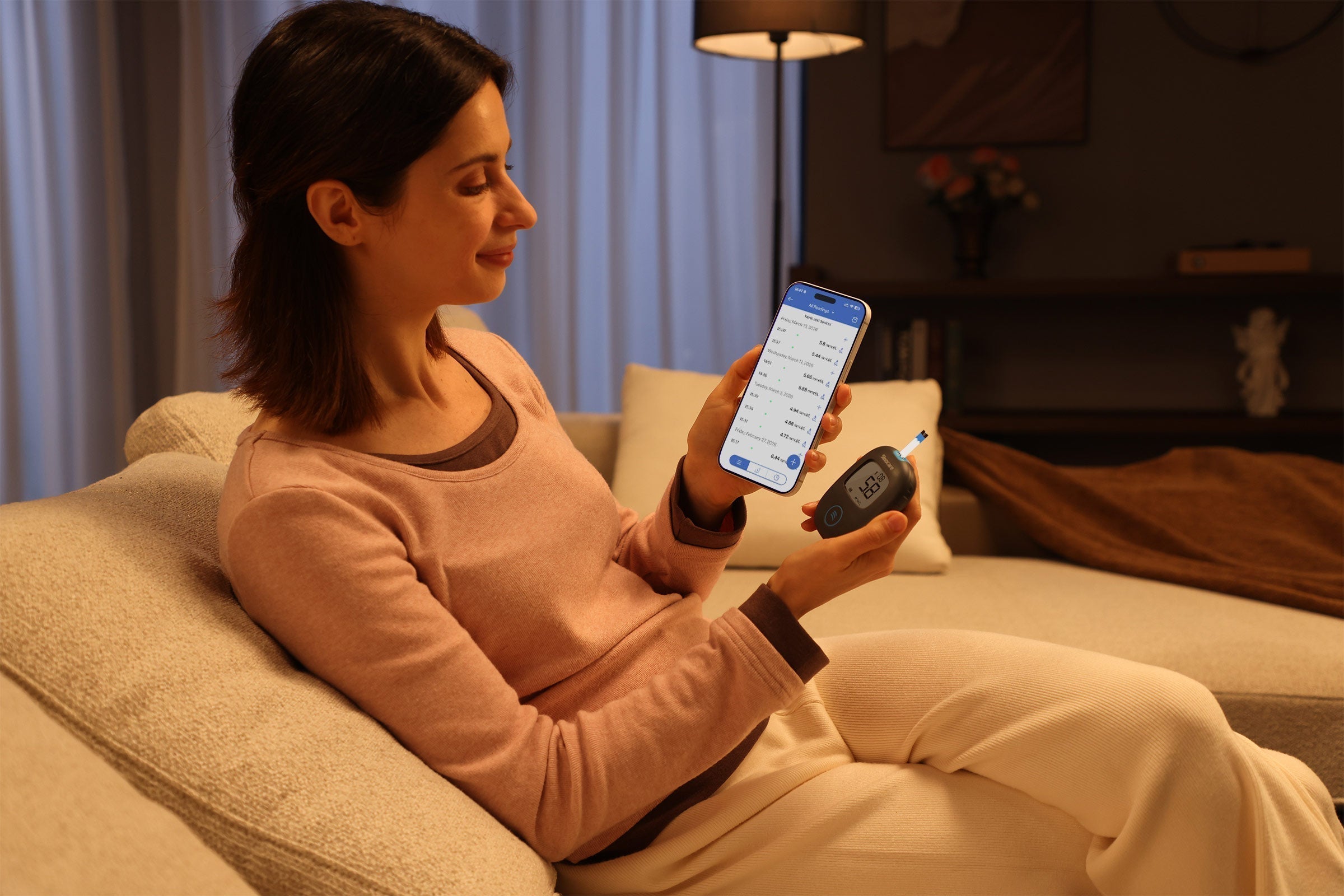
Regular tracking is essential because high uric acid often shows no symptoms until an attack happens. For convenient home monitoring, you can use the Sinocare Safe AQ UG Blood Glucose Uric Acid Meter. This two-in-one system requires just a 3 uL blood sample to deliver your uric acid reading in 25 seconds.
In the UK, NICE recommends: [2]
- A target serum urate level for people with gout of below 360 μmol/L (6 mg/dL).
- For people with tophi, chronic gouty arthritis, or ongoing frequent flares despite being below 360 μmol/L, a lower target of below 300 μmol/L (5 mg/dL) may be considered.
2. Follow a Low-Purine Diet
Your body metabolizes purines into uric acid. To lower your levels, eliminate or strictly reduce high-purine foods. This means cutting back on red meat, animal innards, seafood like sardines and shellfish, alcohol, and sugary drinks.
3. Manage Weight
Obesity is highly correlated with frequent gout attacks because excess body fat makes it harder for your kidneys to excrete uric acid efficiently.
Work toward a gradual, sustainable weight loss goal. Avoid extreme fasting or crash diets, as they can temporarily spike uric acid levels and trigger an attack.
4. Drink Plenty of Water
Set a goal to drink 2 to 3 liters of water throughout the day. Consistent hydration keeps your urinary system functioning optimally, helping your kidneys filter out uric acid before it can crystallize in your joints.
5. Take Uric Acid-Lowering Medication Regularly
If your doctor has prescribed long-term maintenance medications, take them daily without fail. These medications work by blocking uric acid production, but they only provide gout pain relief if taken consistently over months, not just during an active flare-up.
6. Choose Soft, Loose-Fitting Blankets and Socks
Night comfort matters. Wear loose cotton socks if your feet get cold, and choose lightweight, breathable blankets that do not place much pressure on your lower joints.
When to Seek Medical Help?
While a home remedy for gout can help manage mild symptoms, certain scenarios require immediate clinical intervention. Contact your doctor or go to an urgent care clinic if you experience any of the following warning signs:
- The joint pain lasts for more than 48 hours without any improvement.
- You experience frequent nighttime attacks that disrupt your sleep weekly or monthly.
- The affected joint shows severe redness, extreme swelling, and feels intensely hot to the touch.
- The joint pain is accompanied by a fever, chills, or nausea, which are strong indicators of a serious joint infection.
So, how to sleep with gout? Use doctor-approved medicine, raise the joint, apply a cold compress, drink water, avoid blanket pressure, and keep calm. For long-term control, monitor uric acid, reduce triggers, manage weight, and follow prescribed treatment.
If you need a home monitoring device, visit the Sinocare website to order one!
References
[1]Gout flare-ups are twice as likely at night, study finds. Available at: https://www.bmj.com/content/349/bmj.g7609.full (Accessed: 17 June 2026)
[2]Gout: diagnosis and management. Available at: https://www.nice.org.uk/guidance/ng219/chapter/Recommendations (Accessed: 17 June 2026)


Leave a comment
All comments are moderated before being published.
This site is protected by hCaptcha and the hCaptcha Privacy Policy and Terms of Service apply.