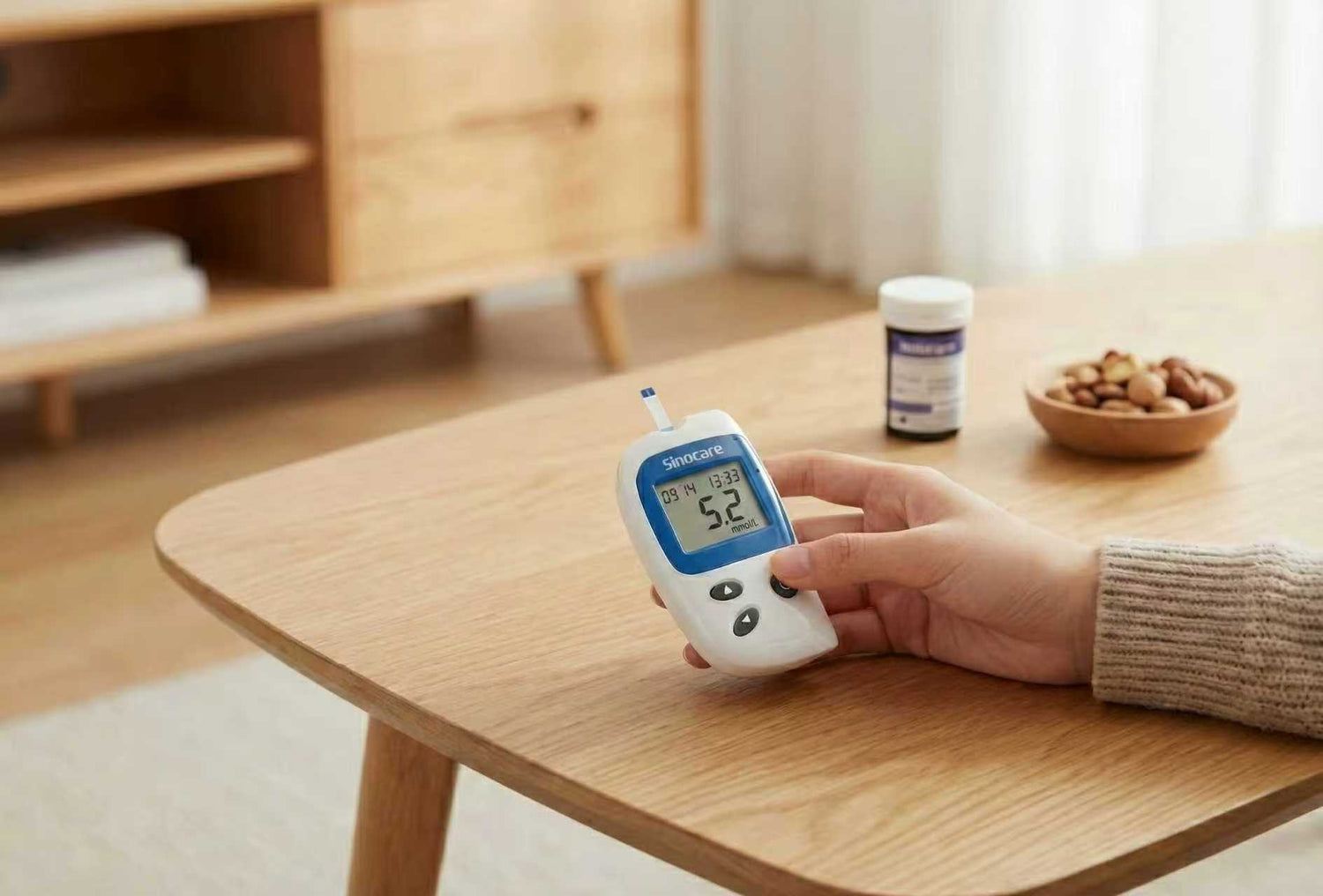
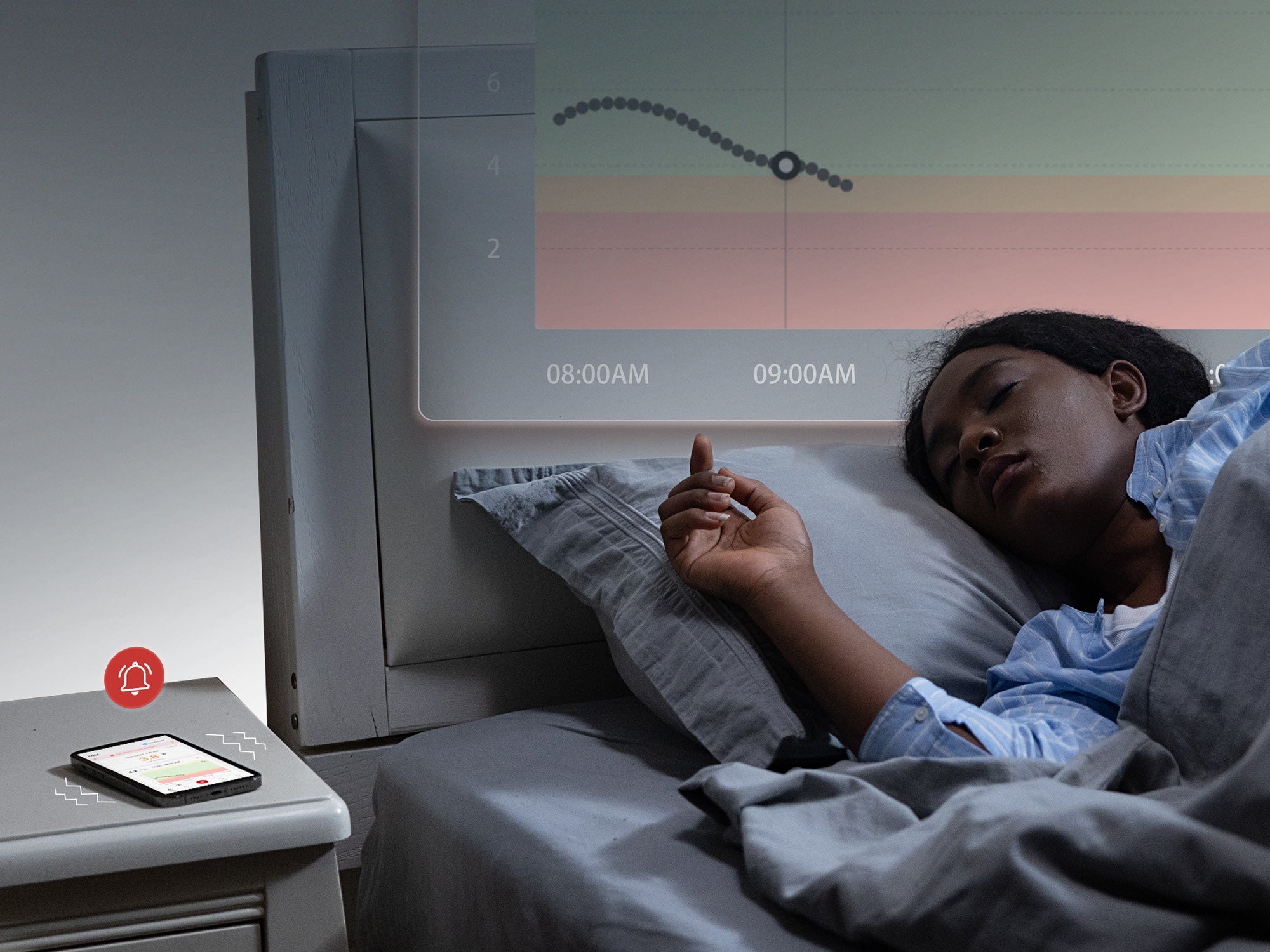
Imagine you woke up from sleep, feeling refreshed and normal. And just like every other day, you check your blood sugar, but your glucometer shows an abnormally “high” or “low” reading. Or maybe you feel shaky and sweaty after waking up, but the reading turns out to be totally normal.
It’s normal to feel a bit dumbfounded or frustrated in situations like this, and you’re certainly not alone. In fact, it happens more often than you think.
Blood glucose monitors usually work well most of the time. But since they work on the principles of pure chemistry, they are fallible and can sometimes give false readings. For example, there are certain medications that raise blood sugar, such as vitamin C.
Drugs That Raise Blood Sugar in Glucometers
We can broadly divide these drugs into two groups:
- The Liars: These medications fool the sensor in your glucometer, causing false high readings even when your real sugar is normal.
- The Spikers: These are drugs that raise blood sugar for real. No false high or low; your meter reads high because those meds made your sugar go high.
The “Liars”: Drugs That Fool Your Blood Glucose Monitor
How Do They Do it?
Blood glucose meters use enzymes (glucose oxidase or glucose dehydrogenase) and tiny electrodes to measure the level of sugar in a small blood sample. But when you have certain drugs in your bloodstream, they can mislead the glucometer into interpreting them as glucose, creating an extra signal. This likely results in a false high or false low reading [1].
Common Drugs That Cause False Highs
Acetaminophen (Tylenol / paracetamol) – Yes, you heard that right. This common pain and fever medication can oxidize the sensor electrode in many older meters and some continuous glucose monitors (CGMs) and create an extra electric signal. Although newer CGM systems now use special membranes to prevent false highs, they can still occur, especially with repeated doses [2].
Vitamin C (ascorbic acid) – This vitamin has a chemical structure similar to glucose, which confuses sensors in older glucometers and thus creates a false high reading. But such interference often happens when you take an immune-booster vitamin C tablet of over 500 mg or receive intravenous (IV) vitamin C therapy [3].
Dialysis solutions (icodextrin and maltose) – If you're on peritoneal dialysis, carefully check whether the fluids contain icodextrin. It is a corn‑starch polymer that breaks down into maltose, which is a sugar but not glucose. However, older test strips using PQQ-glucose dehydrogenase (PQQ‑GDH) technology read maltose as glucose and thus give falsely high glucose readings [2, 4].
Safety Note: If you are on dialysis, check your meter's label and confirm it is "safe for dialysis patients" or uses the FAD‑GDH test strips.
Environmental “liars” – Your blood glucose monitor can also give abnormal readings if you’re at a high altitude or undergoing heavy oxygen therapy. If you see that your blood sugar readings don't match with symptoms, confirm them with lab tests. Extreme temperature and humidity also affect test strip chemistry [5, 6].
Note: According to the American Diabetes Association, glucose oxidase (GOx) systems in test strips are highly sensitive to oxygen. In a high-oxygen (oxygen therapy) environment, these strips can give false low readings, while low oxygen (high altitude or hypoxia) can cause false high results. In contrast, glucometers that use FAD‑GDH systems are less sensitive to oxygen [5, 6].
The "Spikers": Medications That Raise Blood Sugar for Real
Steroids (corticosteroids)
Corticosteroids like prednisone, cortisone and dexamethasone are lifesavers for patients suffering from asthma, joint pain, severe allergies and inflammatory conditions. But one side effect of these steroids is that they cause your liver to release stored glucose and make your cells resist insulin [7].
If you are on steroids, don’t be surprised to see a spike in blood glucose readings, especially after meals and in the evening. In fact, your blood sugar will peak 4-6 hours after a dose and may stay high for 12-24 hours. Adjust your insulin or diabetes medicine so long as you need steroids.
Water Pills (Thiazide Diuretics)
Thiazide diuretics, such as hydrochlorothiazide and chlorthalidone, are typically prescribed to lower high blood pressure and sometimes to treat mild swelling (edema). These drugs primarily work by increasing the frequency of urination. When this happens, an electrolyte imbalance occurs. The blood potassium levels are dropped, which ultimately reduces insulin secretion from the pancreas. This effect is usually mild, but it is real and may get worse with higher doses or longer use [8].
Statins
These lipid-lowering drugs are typically prescribed to lower cholesterol levels in the body and prevent heart attacks. But some statins, such as rosuvastatin, may actually raise blood sugar and increase the risk of developing diabetes. The mechanism often involves decreased insulin secretion and inflammation [9].
Beta-blockers (Atenolol, Propranolol)
These anti-hypertensive drugs lower blood pressure by slowing down the heart rate and relaxing smooth muscle tissue in your blood vessels. They may slightly raise blood sugar by affecting insulin sensitivity. They can even mask the warning signs of low blood sugar, such as rapid heartbeat and tremor. You might not feel a low until it's severe [8].
Antipsychotics
Antipsychotic medications, such as clozapine and olanzapine, cause weight gain and insulin resistance over time. Patients who are on these antipsychotics are 2-3 times more likely to develop diabetes than healthy individuals, and the risk can be even higher among long-term clozapine or olanzapine users [10].
Note: Older blood glucometers, especially those that used GOx-based and PQQ-GDH–based test strips, are more susceptible to false “high” or false “low” readings. Newer meters now follow stricter accuracy standards (ISO 15197:2013 / EN ISO 15197:2015). That’s why today’s GOx and GDH systems are engineered to counteract false readings. But even with the upgrades, all glucometers available on the market still have some inherent limits that can interfere with accuracy.
The Sinocare Solution: Accuracy You Can Trust
Who Sinocare Is?
Sinocare, founded in 2002 in Changsha, China, is now one of the world’s leading bloodglucose monitor manufacturers, serving over 25 million users across 135 countries. It has the largest manufacturing facility in Asia and was the first bloodglucose meter company listed in China.
How Sinocare Meters Address False Readings
Sinocare blood glucose monitors use modern FAD-GDH strip technology and are designed to meet the latest ISO 15197:2013 / EN ISO 15197:2015 accuracy standards. These strips provide better resistance to common interfering substances and have longer validity. FAD-GDH systems have higher glucose specificity and help reduce drug-induced false readings under normal therapeutic conditions.
Why Choose Sinocare
- Accuracy and reliability. Sinocare’s blood glucose meters use FAD-GDH System and maintain the highest accuracy standards.
- Ease of use. No coding is required, and almost all blood glucometers deliver results in 5–10 seconds using a tiny blood sample.
- Affordability. Sinocare aims to provide high-quality devices at a comparatively lower price than leading brands.
- Global presence. Sinocare glucometers are sold across Asia, Europe, Africa and North America, so replacement strips and service are widely available.
References
1. Juska VB, Pemble ME. A critical review of electrochemical glucose sensing: Evolution of biosensor platforms based on advanced nanosystems. Sensors. 2020 Oct 23;20(21):6013.
2. Heinemann L. Interferences with CGM systems: practical relevance?. Journal of Diabetes Science and Technology. 2022 Mar;16(2):271-4.
3. Katzman BM, Kelley BR, Deobald GR, Myhre NK, Agger SA, Karon BS. Unintended consequence of high-dose vitamin c therapy for an oncology patient: evaluation of ascorbic acid interference with three hospital-use glucose meters. Journal of Diabetes Science and Technology. 2021 Jul;15(4):897-900.
4. Setford SJ. The Impact of Interfering Substances on Continuous Glucose Monitors Part 3: A Review of Non-labeled Substances Influencing Continuous Glucose Monitor Readings. Journal of Diabetes Science and Technology. 2025 Oct 18:19322968251377019.
5. Committee AD, ElSayed NA, Aleppo G. 7. Diabetes technology: Standards of care in diabetes—2024. Diabetes Care. 2023;47(Supplement_1):S126-44.
6. Pullano SA, Greco M, Bianco MG, Foti D, Brunetti A, Fiorillo AS. Glucose biosensors in clinical practice: Principles, limits and perspectives of currently used devices. Theranostics. 2022 Jan 1;12(2):493.
7. Beaupere C, Liboz A, Fève B, Blondeau B, Guillemain G. Molecular mechanisms of glucocorticoid-induced insulin resistance. International journal of molecular sciences. 2021 Jan 9;22(2):623.
8. Widiarti W, Saputra PB, Savitri CG, Putranto JN, Alkaff FF. The impact of cardiovascular drugs on hyperglycemia and diabetes: a review of ‘unspoken'side effects. Hellenic Journal of Cardiology. 2025 May 1;83:71-7.
9. Reith C, Preiss D, Blackwell L, Emberson J, Spata E, Davies K, Halls H, Harper C, Holland L, Wilson K, Roddick AJ. Effects of statin therapy on diagnoses of new-onset diabetes and worsening glycaemia in large-scale randomised blinded statin trials: an individual participant data meta-analysis. The Lancet Diabetes & Endocrinology. 2024 May 1;12(5):306-19.
10. Chen J, Huang XF, Shao R, Chen C, Deng C. Molecular mechanisms of antipsychotic drug-induced diabetes. Frontiers in neuroscience. 2017 Nov 21;11:643.






Leave a comment
All comments are moderated before being published.
This site is protected by hCaptcha and the hCaptcha Privacy Policy and Terms of Service apply.