
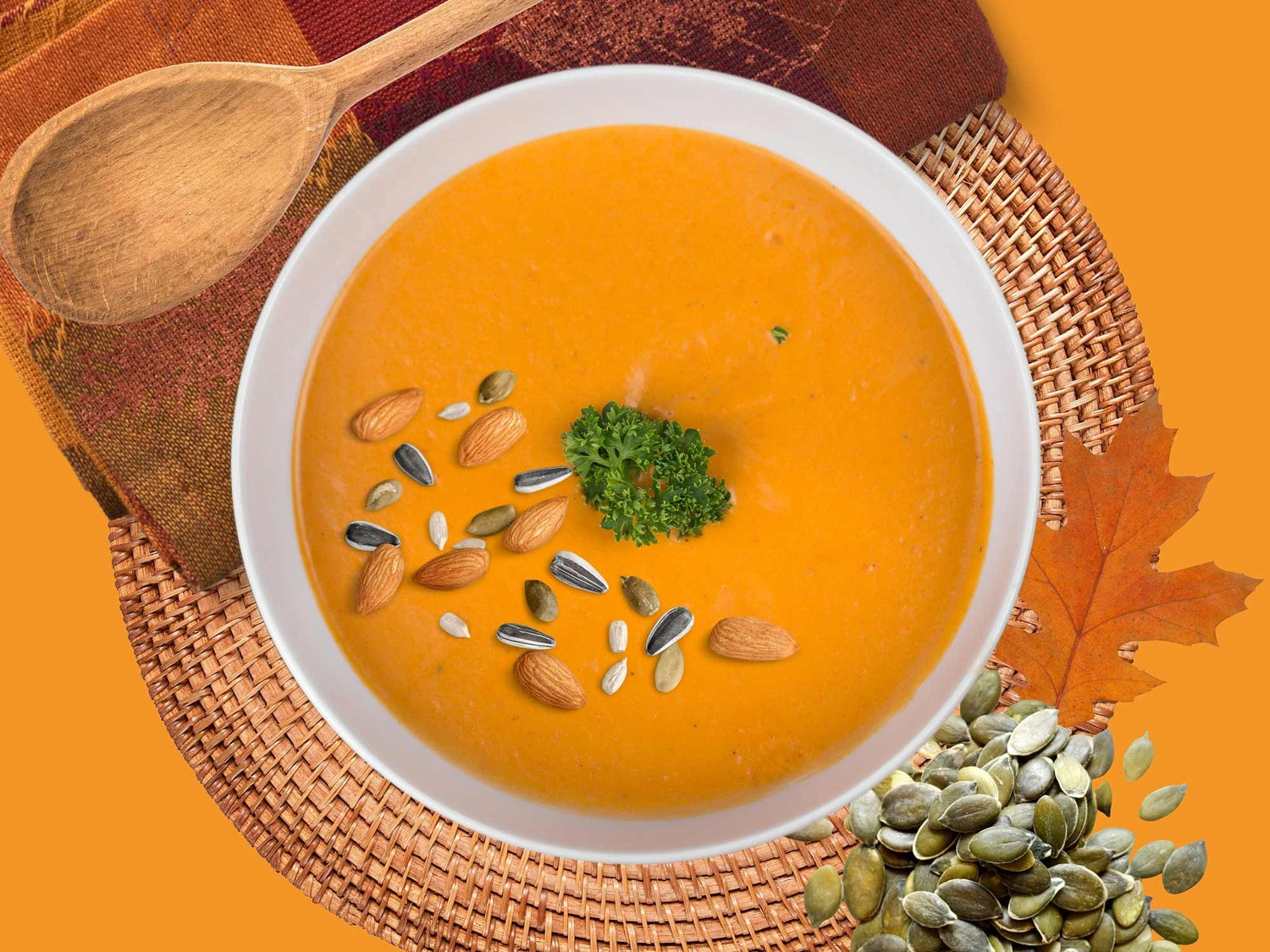
The pumpkin seed is a popular food worldwide, known for its tasty, crunchy texture. Its coloration is typically dark green, depending on the pumpkin variety. A single pumpkin seed weighs about 0.5 grams on average. Seeds are usually harvested in autumn but are available year-round due to drying processes and their excellent shelf life.
Nutrition Value of Pumpkin Seeds
A 30-gram serving of pumpkin seeds contains approximately:
- 130 calories
- 5 grams of protein
- 15 grams of carbs
- 0 grams of sugar
- 5 grams of fiber
In addition, pumpkin seeds are rich in magnesium, phosphorus, zinc, and iron. Magnesium, in particular, is essential for people managing diabetes, as it supports enzymatic reactions and overall metabolic health. [1]
Calories and Glycemic Index (GI)
A single pumpkin seed has about 3 calories. While small portions are manageable, consuming large amounts can increase caloric intake significantly. Pumpkin seeds have a low glycemic index (around 25), making them a safe snack for people with diabetes when eaten in controlled portions.
Besides essential nutrients, pumpkin seeds contain antioxidants that support the immune system, improve sleep, and aid in cell repair and growth.[1][2]
Benefits and Risks of Eating Pumpkin Seeds with Diabetes
Pumpkin seeds offer several health benefits:
- Rich in Zinc: Supports the immune system and wound healing
- Rich in Magnesium: Helps regulate blood sugar and supports muscle health
- High in Fiber: Supports digestion and can stabilize blood sugar levels
- Antioxidants & Anti-inflammatory Compounds: Contribute to overall health
Risks: Due to their high calorie content, overconsumption can lead to excessive caloric intake. People with diabetes should enjoy pumpkin seeds in moderation. [1]
How Much Pumpkin Seeds Can I Eat with Diabetes?
For most people with diabetes, a safe daily portion is around 30 grams. This amount provides healthy fats, protein, and fiber, which can help stabilize blood sugar levels when consumed in controlled portions. [1]
Fruit and Seed Alternatives
If you’re not a fan of pumpkin seeds, other natural, unsalted nuts and seeds such as pistachios, peanuts, almonds, and cashews can offer similar benefits. Always monitor portions to avoid excessive calorie intake.
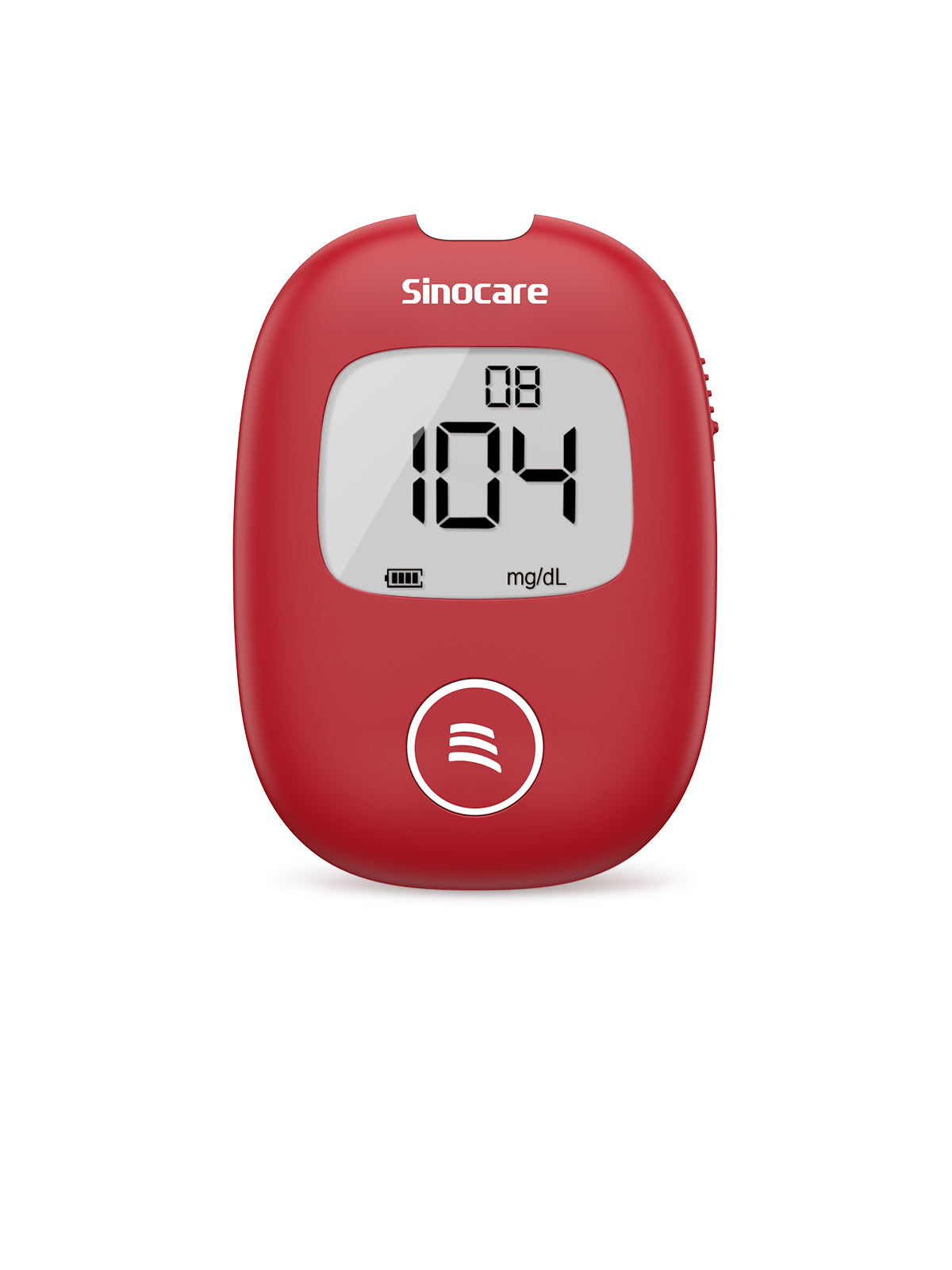
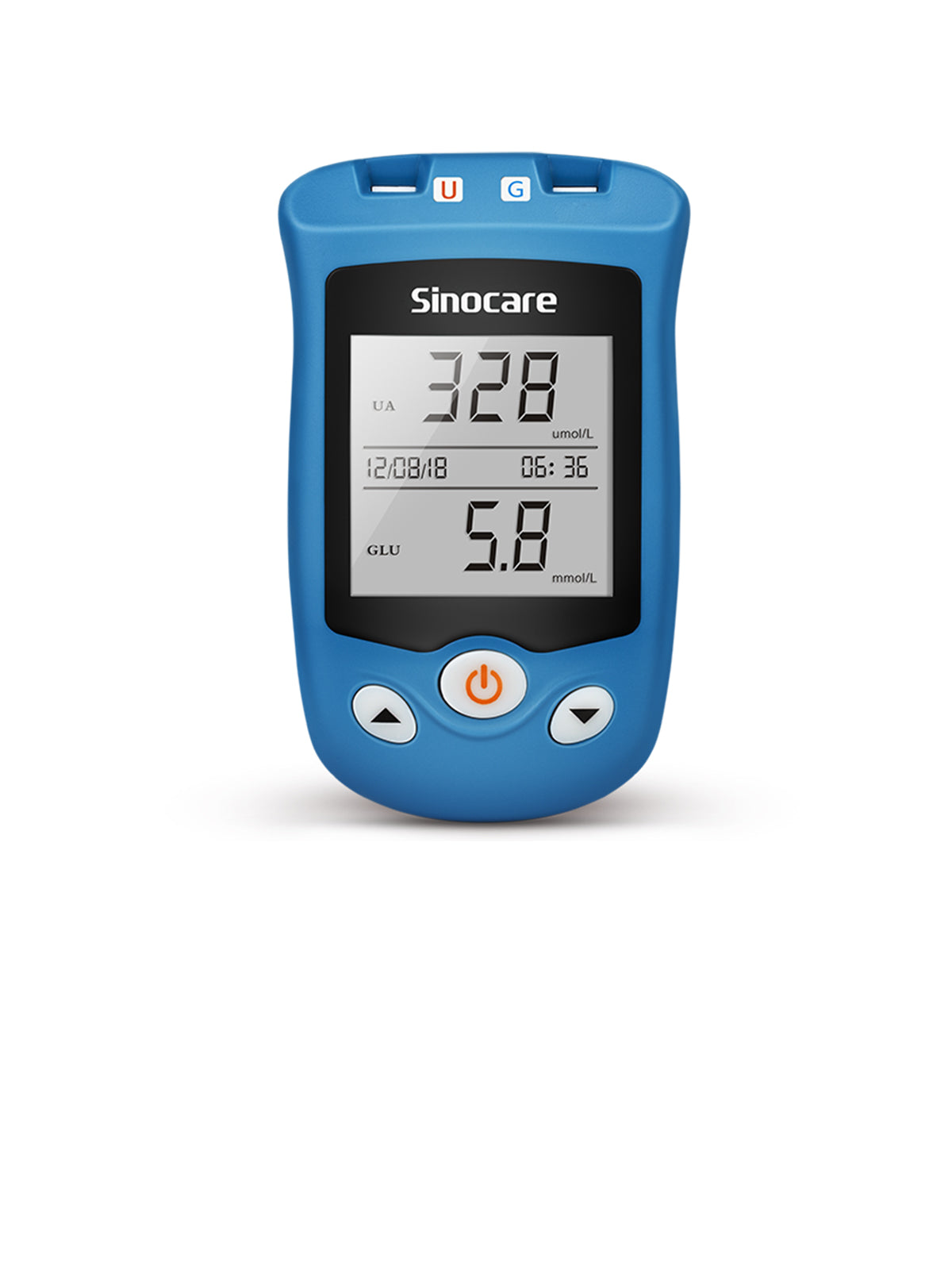
For consistent blood sugar monitoring, a reliable blood glucose meter like those from Sinocare can be very useful. With over 20 years in diabetes care, Sinocare provides accurate and affordable meters such as the Safe AQ Smart, catering to various needs and lifestyles.
How to Eat Pumpkin Seeds with Diabetes
- Prefer natural, lightly roasted pumpkin seeds without added salt or oils.
- Consume in controlled portions to avoid excessive calorie intake.
- Incorporate them as a healthy snack in your daily diet.
Final Thoughts
Pumpkin seeds are compatible with a diabetes-friendly diet when eaten in moderation. They are high in antioxidants and essential minerals, making them beneficial for overall health. Prefer natural over salted or flavored pumpkin seeds to maximize health benefits.
References
- Verywell Fit. Pumpkin Seed Nutrition Facts, Calories, and Health Benefits. https://www.verywellfit.com/pumpkin-seed-nutrition-facts-calories-and-health-benefits-4114356
- Glycemic Index. Pumpkin Seeds Glycemic Index. https://glycemic-index.net/seeds-pumpkin/






Leave a comment
All comments are moderated before being published.
This site is protected by hCaptcha and the hCaptcha Privacy Policy and Terms of Service apply.