


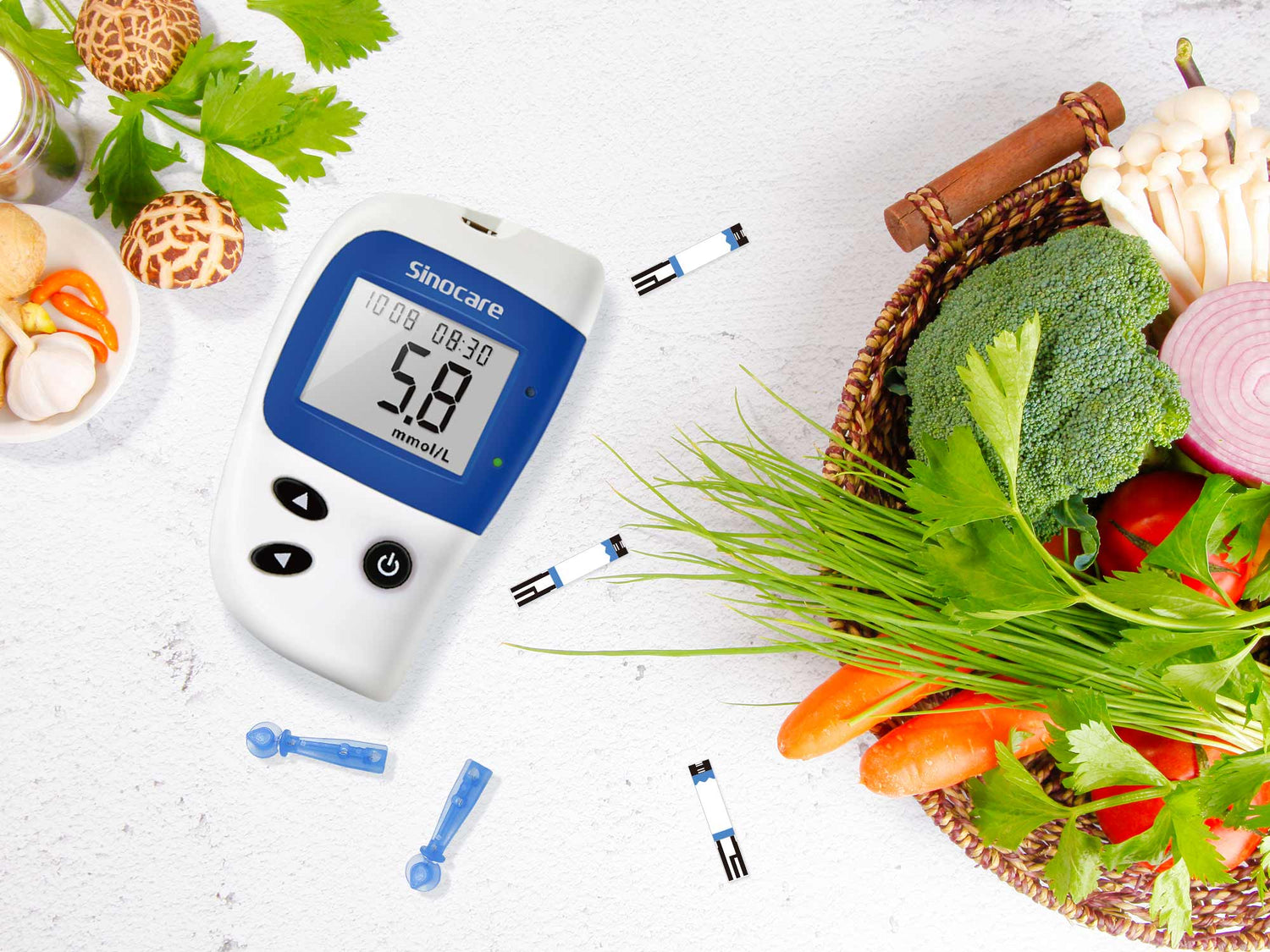
Wielu z nas tego doświadczyło. Czujesz się wypoczęty i całkowicie dobrze, ale gdy sprawdzasz poziom cukru we krwi, wynik nie ma sensu. Może być zbyt wysoki lub zbyt niski i zastanawiasz się, czy twoja cukrzyca naprawdę się pogorszyła. Coś jest nie tak.
Przyczyn fałszywego wyniku może być wiele. Jedną z możliwych jest użycie przeterminowanych pasków do pomiaru cukru we krwi. Ten artykuł wyjaśnia, dlaczego nigdy nie powinno się używać pasków po terminie ważności.
Czy paski do pomiaru cukru we krwi tracą ważność?
Tak, paski do pomiaru cukru mają określoną datę ważności, po której nie należy ich używać. W rzeczywistości są to wyroby medyczne o ograniczonym okresie przydatności.
Amerykańska Agencja ds. Żywności i Leków (FDA) odradza używanie przeterminowanych pasków. Agencja ostrzega, że paski przechowywane nieprawidłowo lub narażone na ciepło i wilgoć mogą ulec uszkodzeniu nawet przed upływem daty ważności [1]. Amerykańskie Towarzystwo Diabetologiczne (ADA) zaleca więc, aby do dokładnych pomiarów glukozy używać tylko nieotwartych i niewygasłych fiolek z paskami [2].
Dlaczego paski tracą ważność?
Pasek do pomiaru glukozy to małe narzędzie chemiczne. Każdy pasek zawiera enzym (zwykle oksydazę glukozową lub dehydrogenazę glukozową) oraz inne odczynniki. Gdy krew zetknie się z paskiem, enzym reaguje i generuje niewielki sygnał elektryczny. Miernik przelicza ten sygnał na wartość liczbową.
Z upływem czasu substancje chemiczne w pasku ulegają rozkładowi pod wpływem czynników środowiskowych, takich jak wilgotność, temperatura i światło słoneczne (sprawdź etykietę). Enzym staje się mniej aktywny, a warstwa odczynników narażona jest na wilgoć. Ciepło i dostęp powietrza (np. pozostawienie fiolki otwartej) mogą dodatkowo przyspieszyć uszkodzenia. Z tych powodów paski mają określony okres przydatności oraz czas użycia po otwarciu fiolki. Producenci przeprowadzają badania stabilności w różnych temperaturach i poziomach wilgotności, aby ustalić te daty. Nie ma zatwierdzonego „okresu karencji” po dacie nadrukowanej na opakowaniu [3].

Rzeczywisty problem z przechowywaniem
Badanie z 2021 roku symulowało przechowywanie pasków w warunkach wysokiej temperatury i wilgotności, podobnych do tych panujących w szpitalach promujących zdrowie w Tajlandii. Mediana różnic w pomiarach glukozy przy użyciu pasków poddanych stresowi była znacząco różna od kontroli. Średnia temperatura przechowywania przekraczała 30°C, a średnia wilgotność względna wynosiła 84%. Badacze stwierdzili, że niekorzystne warunki środowiskowe prowadziły do słabej wydajności glukometrów [4].
Według FDA producenci powinni przeprowadzać badania stabilności zarówno dla zamkniętych fiolek (okres przydatności), jak i otwartych fiolek w różnych kombinacjach temperatur i wilgotności. Ciepło i wilgoć osłabiają działanie odczynników i zwiększają ryzyko błędnych wyników. Dlatego zapewnienie odpowiednich warunków przechowywania pasków nie jest „opcją”, lecz koniecznością dla dokładności pomiarów [5].
Dlaczego dokładność jest ważna?
Fałszywie wysoki lub niski wynik pomiaru cukru we krwi może prowadzić do błędnej decyzji. Zbyt niskie wyniki mogą ukrywać hiperglikemię, podczas gdy zbyt wysokie mogą skłonić do niepotrzebnego zwiększenia dawki insuliny. FDA ostrzega, że błędne wyniki z przeterminowanych pasków mogą prowadzić do poważnych szkód i zaleca użytkownikom, aby po wyjęciu paska natychmiast zamykali nakrętkę fiolki [6].
Szybkie kontrole bezpieczeństwa
- Sprawdzaj datę: Za każdym razem, gdy otwierasz nową fiolkę i przed wykonaniem pomiaru, sprawdź nadrukowaną datę ważności.
- Dokładnie zakręcaj nakrętkę: Paski powinny być przechowywane w oryginalnej fiolce. Po wyjęciu paska natychmiast zakręć nakrętkę.
- Przechowuj fiolkę w chłodnym i suchym miejscu: Unikaj łazienek, kuchni, samochodów i bezpośredniego światła słonecznego. Paski trzymaj w temperaturze pokojowej (od 4°C do 30°C).
- Powtórz test, jeśli coś jest nie tak: Jeśli objawy nie zgadzają się z wynikiem, wykonaj ponowny pomiar nowym paskiem i w razie potrzeby porównaj z wynikiem laboratoryjnym.
- Używaj roztworu kontrolnego tylko jako podstawowej kontroli: Roztwór kontrolny może potwierdzić, że miernik i paski odczytują znaną wartość, ale nie gwarantuje dokładności dla wszystkich poziomów glukozy.
Kiedy wymienić paski
Wymień paski do pomiaru cukru natychmiast, jeśli zauważysz:
- Wyniki niezgodne z twoimi objawami
- Komunikaty o błędach na mierniku
- Paski po upływie daty ważności
- Fiolki otwarte dłużej niż zaleca producent
- Widoczne uszkodzenia lub wilgoć wewnątrz fiolki
Najczęściej zadawane pytania (FAQ)
Czy paski do pomiaru cukru tracą ważność, nawet jeśli są zapieczętowane?
Tak, badania okresu przydatności pokazują, że nawet zamknięte fiolki mają ograniczony czas „dobry do użycia”. Po tym czasie enzym i inne odczynniki chemiczne zaczynają się rozkładać. Data ważności wskazuje, jak długo producent gwarantuje dokładność pasków [3].
Czy przeterminowane paski mogą pokazywać wyniki zbyt wysokie lub zbyt niskie?
Mogą pokazywać oba. Rozkład enzymu i uszkodzenia wilgoci mogą obniżyć prąd i dać fałszywie niskie wyniki, a dryft elektrody może dawać fałszywie wysokie wartości. Nie ma przewidywalnego wzoru, dlatego nie powinno się ich używać [5].
Jakie błędy w przechowywaniu najszybciej niszczą paski?
Pozostawienie fiolki otwartej, narażenie pasków na wilgoć, przechowywanie ich w gorącym samochodzie lub łazience, albo przenoszenie do innego pojemnika [5].
Co zrobić, jeśli wynik nie zgadza się z tym, jak się czuję?
Umyj ręce i wykonaj ponowny pomiar nowym paskiem. Jeśli wynik nadal wydaje się błędny, użyj nowej fiolki i skontaktuj się z lekarzem rodzinnym w celu wykonania badania laboratoryjnego.
Czy „otwarte zbyt długo” różni się od „przeterminowane”?
Tak. „Otwarte zbyt długo” oznacza, że paski lub fiolka przekroczyły zalecany przez producenta czas użycia po otwarciu, a „przeterminowane” oznacza przekroczenie nadrukowanej daty ważności. Postępuj zgodnie z instrukcjami dołączonymi do produktu.
Przejdź na świeże paski, którym możesz zaufać
Jeśli otrzymujesz dziwne wyniki na swoim glukometrze, najlepszym rozwiązaniem jest rozpoczęcie od nowej fiolki. Upewnij się, że przechowujesz ją w chłodnym i suchym miejscu, a nakrętka jest szczelnie zamknięta.
Sinocare to światowy lider w opiece nad osobami z cukrzycą, oferujący niezawodne paski testowe i glukometry. Nasze produkty są zaprojektowane z myślą o dokładności i łatwości użycia, mają czytelne oznaczenia i instrukcje.
Firma została założona w 2002 roku w Changsha w Chinach i obecnie zajmuje pierwsze miejsce w Chinach oraz czwarte na świecie na rynku monitorowania glukozy we krwi. Obsługuje ponad 25 milionów użytkowników w 135 krajach i regionach.
Poznaj produkty Sinocare i dowiedz się więcej o naszym zaangażowaniu w opiekę nad osobami z cukrzycą.
Bibliografia
1. U.S. Food and Drug Administration. How to Safely Use Glucose Meters and Test Strips for Diabetes [Internet]. Silver Spring (MD): U.S. Food and Drug Administration; 2021 Nov 1. Available from: https://www.fda.gov/consumers/consumer-updates/how-safely-use-glucose-meters-and-test-strips-diabetes
2. ElSayed NA, Aleppo G, Aroda VR, Bannuru RR, Brown FM, Bruemmer D, Collins BS, Hilliard ME, Isaacs D, Johnson EL, Kahan S. 7. Diabetes technology: standards of care in diabetes—2023. Diabetes Care. 2023 Jan 1;46(Supplement_1):S111-27.
3. U.S. Food and Drug Administration. Blood Glucose Monitoring Devices [Internet]. Silver Spring (MD): U.S. Food and Drug Administration; 2024 Nov 14. Available from: https://www.fda.gov/medical-devices/in-vitro-diagnostics/blood-glucose-monitoring-devices
4. Apiratmateekul N, Duanginta W, Phetree M, Kongros K, Treebuphachatsakul W. Effects of Simulated Adverse Environmental Conditions Related to Actual Conditions at Health Promoting Hospitals on the Performance of Blood Glucose Testing by Glucose Meters. Journal of Diabetes Science and Technology. 2023 Jan;17(1):125-32.
5. U.S. Food and Drug Administration. Self-Monitoring Blood Glucose Test Systems for Over-the-Counter Use: Guidance for Industry and Food and Drug Administration Staff [Internet]. Silver Spring (MD): Food and Drug Administration; 2020 Sep 29. Available from: https://www.fda.gov/media/87721/download
6. ElSayed NA, Aleppo G, Aroda VR, Bannuru RR, Brown FM, Bruemmer D, Collins BS, Hilliard ME, Isaacs D, Johnson EL, Kahan S. 7. Diabetes technology: standards of care in diabetes—2023. Diabetes Care. 2023 Jan 1;46(Supplement_1):S111-27.



Zostaw komentarz
Wszystkie komentarze są moderowane przed opublikowaniem.
Ta strona jest chroniona przez hCaptcha i obowiązują na niej Polityka prywatności i Warunki korzystania z usługi serwisu hCaptcha.