




Domande Frequenti
Trova risposte rapide alle domande comuni sui misuratori di acido urico Sinocare — da come usare e mantenere il tuo dispositivo a come interpretare i risultati dei test. Ottieni le informazioni di cui hai bisogno per monitorare la tua salute con sicurezza.
È possibile testare l'acido urico a casa?
Sì, puoi testare l'acido urico a casa utilizzando un kit per il prelievo di sangue dal dito.
Questi test casalinghi ti permettono di controllare rapidamente i livelli di acido urico e monitorare le variazioni nel tempo.
Sono comodi per il monitoraggio di routine, ma non dovrebbero sostituire i test medici professionali quando è necessaria una diagnosi accurata.
I test per l'acido urico a casa sono accurati?
I test dell'acido urico a casa possono essere ragionevolmente accurati per il monitoraggio quotidiano se usati correttamente.
La maggior parte dei kit per test domestici fornisce risultati vicini a quelli degli esami del sangue di laboratorio, ma possono verificarsi piccole variazioni dovute a fattori come la qualità del dispositivo, il metodo di test e l'uso da parte dell'utente.
Per diagnosi mediche o decisioni di trattamento, si raccomanda ancora il test di laboratorio.
Cos'è il Kit per il Test dell'Acido Urico Sinocare?
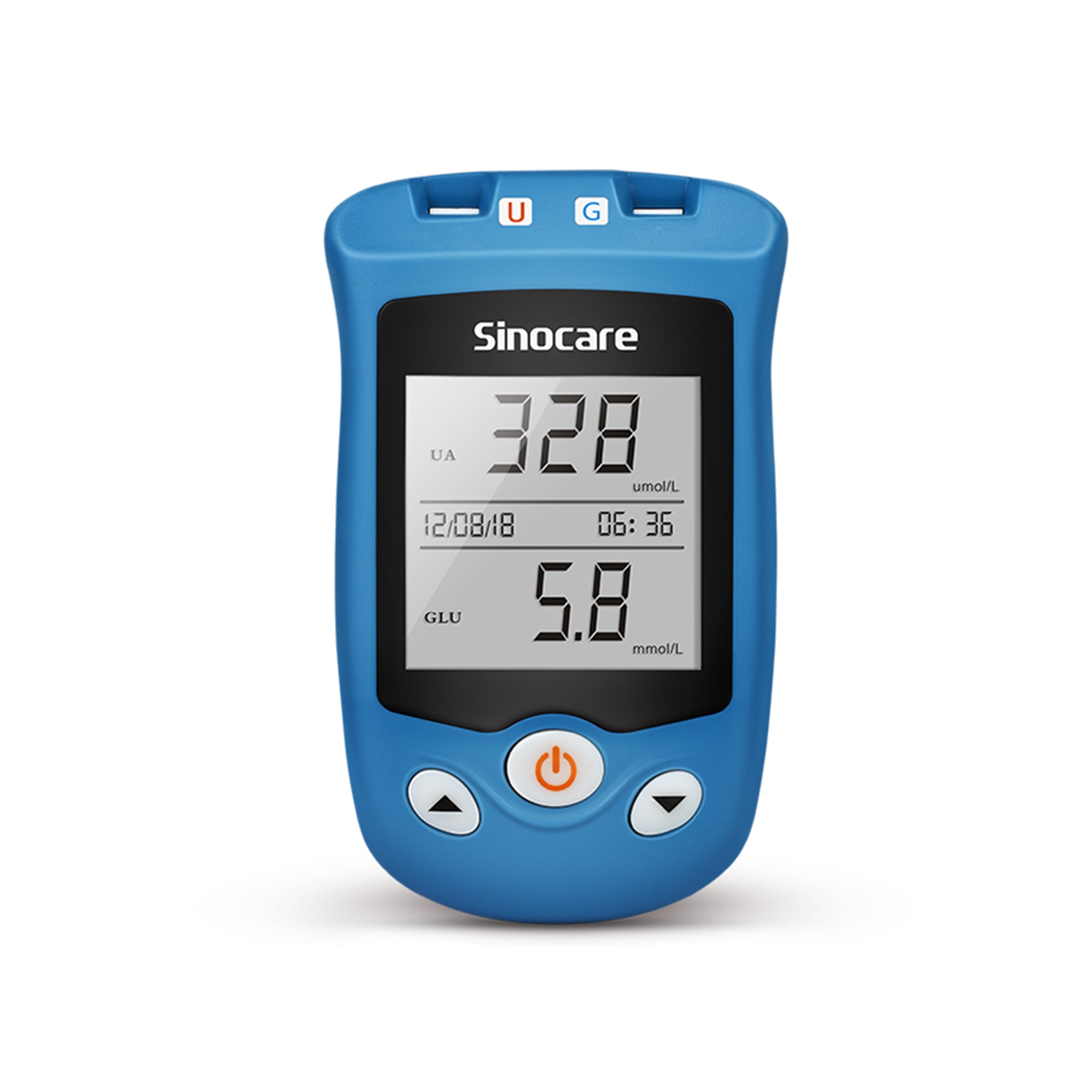
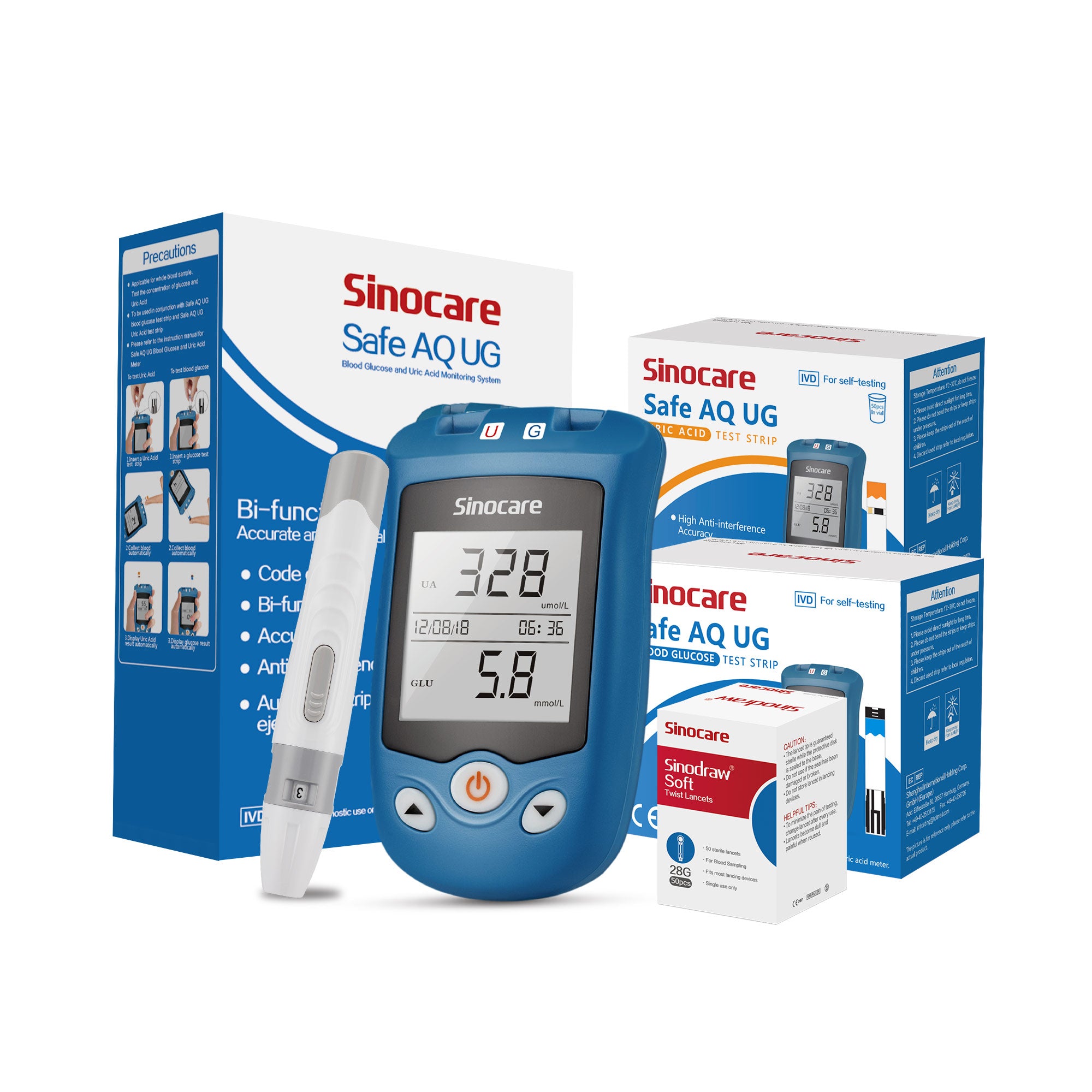
È un monitor per l'acido urico domestico che funziona anche come monitor per la glicemia e l'acido urico per un facile test quotidiano.
Come si usa il misuratore Sinocare?
Inserisci una striscia reattiva, aggiungi una goccia di sangue e leggi il risultato del tuo test dell'acido urico o della glicemia in pochi secondi.
Chi ha bisogno di questo monitor?
Persone con gotta, acido urico alto, diabete o chiunque monitori sia i livelli di acido urico che di zucchero nel sangue.
Il kit per il test dell'acido urico Sinocare è preciso?
Sì. Il monitor dell'acido urico utilizza una tecnologia avanzata di biosensori per risultati rapidi e affidabili.
Quanto spesso dovrei fare il test?
Effettua il test una o due volte a settimana—o come consigliato dal tuo medico—per controllare sia l'acido urico che il glucosio.
Qual è un livello normale di acido urico?
Di solito tra 3,5 e 7,2 mg/dL. Il kit per il test dell'acido urico Sinocare ti aiuta a mantenerti entro un intervallo sano.
Dove posso acquistare il monitor Sinocare?
Puoi ordinare il monitor per la glicemia e l'acido urico direttamente dal sito ufficiale di Sinocare.
Post del blog

mg/dL vs mmol/L: cosa significa realmente l’unità della glicemia
Vedi 5,9 invece di 100 sul tuo nuovo glucometro? Niente panico: potrebbe semplicemente utilizzare mmol/L invece di mg/dL. Scopri come funzionano le unità di misura della glicemia, come convertirle ...

Come fermare il dolore della gotta di notte: 6 modi per trovare sollievo
Scopri come fermare il dolore della gotta durante la notte con sei consigli pratici, tra cui il sollievo dal dolore, il sollevamento della gamba, gli impacchi freddi, l’idratazione e i modi per pre...
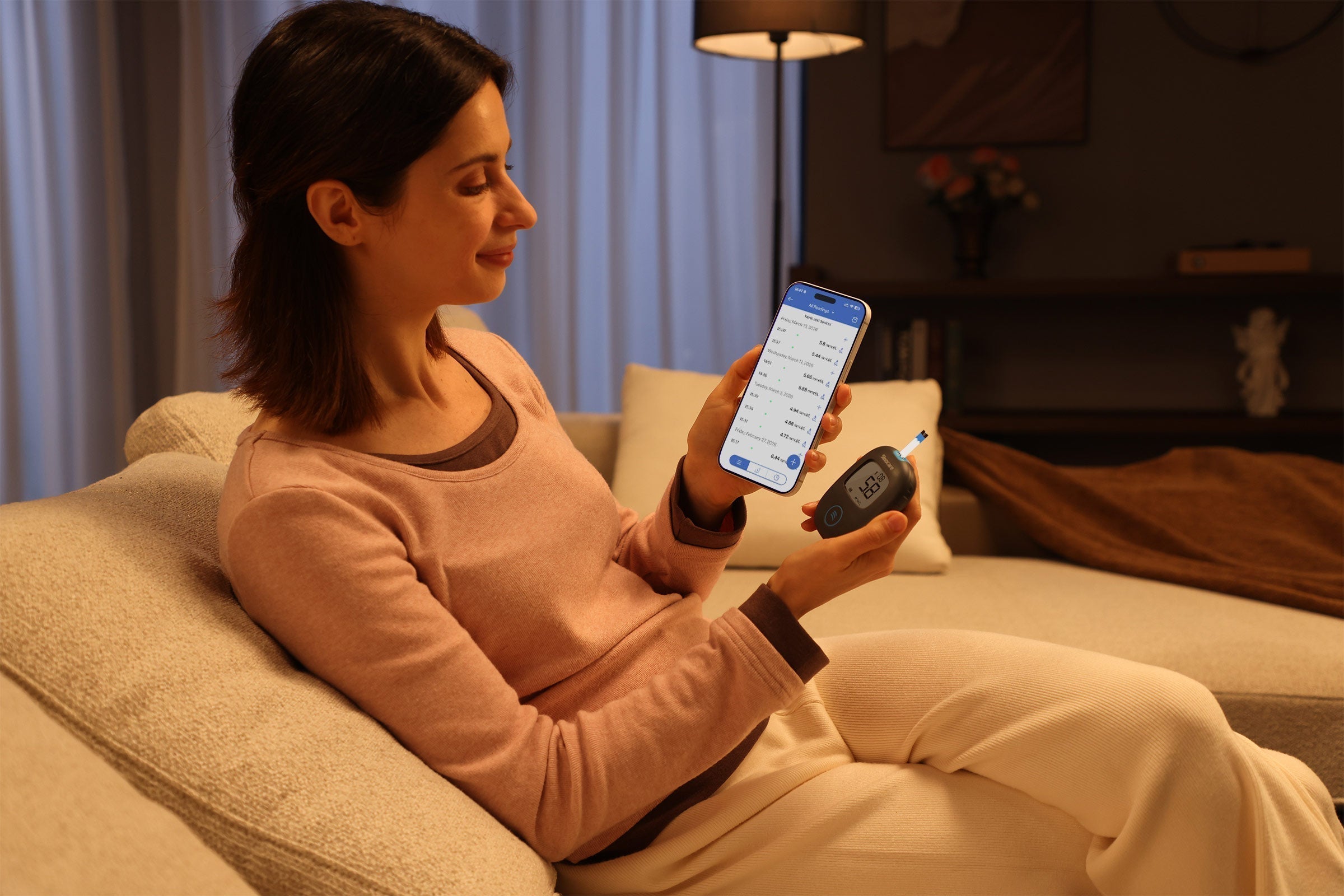
Le strisce reattive per il glucosio sono universali?
Le strisce per il test della glicemia non sono universali e non possono essere utilizzate in modo intercambiabile su dispositivi diversi. Ogni glucometro richiede strisce compatibili per garantire ...