


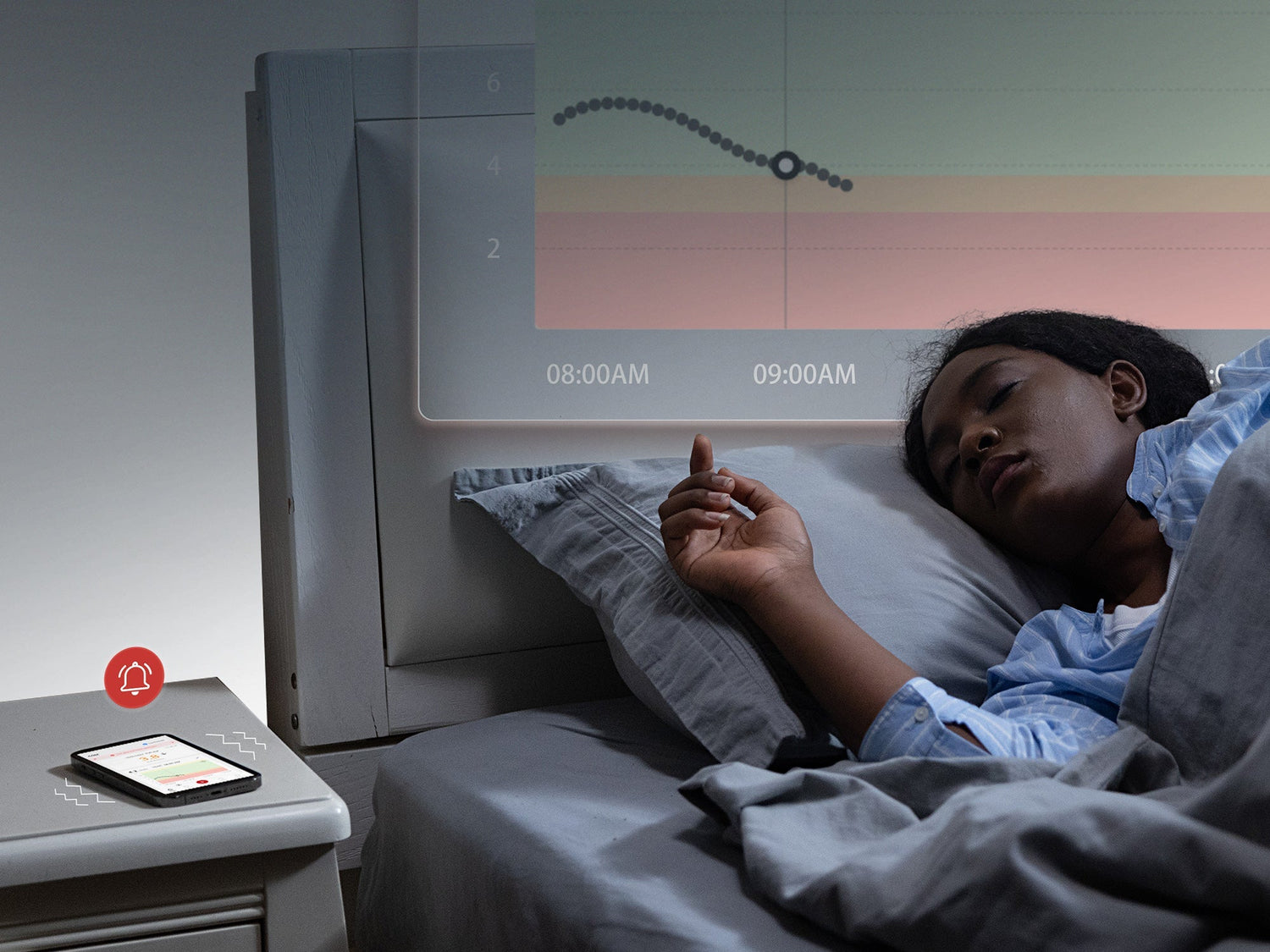
Some diabetics test their blood sugar before bed and find it within the normal range, but wake up to sharp nighttime blood sugar spikes. This is actually a fairly common issue.
It is widely recognised that sleep is essential for restoring energy, maintaining mental well-being, and supporting immune function. However, numerous studies have also revealed that both the quality and duration of sleep can influence blood sugar levels.
How does sleep affect blood sugar in diabetics? How can nighttime blood sugar and sleep quality be managed? Read on to learn more.
How Does Blood Sugar Change During Sleep?
Under healthy conditions, our blood sugar levels at night are regulated by various hormones, primarily through a balance between insulin and several glucose-raising hormones. This process can be divided into three stages:
- 1-3 Hours After Falling Asleep
At this stage, the body enters a state of rest, metabolic rate slows down, and energy demand decreases. With no new glucose intake from food and insulin (which lowers blood sugar) still active, blood sugar levels drop and remain at a stable, relatively low level.
- Deep Sleep Stage
The pituitary gland begins secreting growth hormone to promote fat breakdown and reduce glucose utilisation, thereby storing energy for the body during the night. As glucose consumption decreases, blood sugar tends to rise during this period. However, in a healthy state, insulin helps maintain balance.
- Early Morning
Glucose-raising hormones such as cortisol and adrenaline begin to be secreted, prompting the liver to break down stored glycogen into glucose to prepare the body for waking. During this period, blood sugar rises, but with normal insulin function, blood sugar levels are kept within an ideal range.
What are the Effects of Lacking Sleep for Diabetics?
Does lack of sleep affect blood sugar? Yes. Insufficient diabetes sleep can further impair their compromised blood glucose regulation system.
Firstly, if insulin or glucose-lowering medications are taken before bedtime, the combination of drug effects and an unstable metabolic state increases the risk of nighttime hypoglycemia.
Additionally, disruptions during deep sleep stages interfere with the normal secretion of growth hormone. However, due to insufficient insulin secretion or insulin resistance, diabetics are more prone to experiencing blood glucose fluctuations during this period.
Finally, after a night of inadequate sleep, the secretion of hormones such as cortisol in the early morning becomes abnormally heightened. Meanwhile, the body is unable to secrete or effectively utilise enough insulin to counter this rise, leading to a high morning glucose. This is known as the “dawn phenomenon.”[2]
How Many Hours Should a Diabetic Sleep?
According to recommendations from Diabetes UK, adults should aim for 7-9 hours of quality sleep per night, children 9-13 hours, and babies 12-17 hours. It is also important to ensure your sleep cycles remain as uninterrupted as possible. [1]
Sleeping less than 7 hours per night increases the risk of high blood pressure, heart disease, stroke, depression, and increased pain. However, consistently sleeping more than 9 hours may also be associated with poor health, elevated inflammation levels, and suboptimal diabetes management, and is therefore not recommended.
How to balance blood sugar and sleep hours? Monitoring your fasting blood glucose levels upon waking and your daytime mental alertness may be helpful.
How to Manage Nighttime Blood Sugar and Sleep Quality?
Managing blood sugar and improving sleep quality need to be implemented simultaneously, as low blood sugar can lead to irregular sleep patterns, while high blood sugar often causes thirst and increased urination, making it more difficult to fall back asleep.
What can patients do for stable blood sugar and sleep?
1. Monitor Blood Sugar Effectively
To achieve better blood glucose and sleep control, it's essential to understand how your body’s glucose levels fluctuate throughout different periods.
In this regard, traditional finger-prick testing only provides blood glucose levels at a single point, and you can’t test it at night. Continuous Glucose Monitors (CGM) offer a more recommended alternative, such as the Sinocare iCan i3.
CGM devices record glucose readings every few minutes, providing a comprehensive trend line of nighttime blood glucose levels and helping you understand fluctuations across different periods. More importantly, the high and low glucose alert features of CGM can promptly notify you and your family of nighttime hypoglycemia or hyperglycemia, offering valuable reference for medical diagnosis and enabling timely intervention.
2. Maintain Regular Sleep Schedule and Duration
Our endocrine system relies on a regular circadian rhythm. Maintaining consistent sleep and wake times each day helps stabilise the secretion of cortisol, growth hormone, and other hormones, thereby improving insulin sensitivity.[2]
Meanwhile, ensuring at least 7 hours of sleep per night helps prevent the exacerbation of insulin resistance and the dawn phenomenon.
3. Create a Sleep-Friendly Environment
For most people, sleeping in a dark, quiet, and cool room leads to better sleep quality compared to a bright, noisy, and stuffy environment. You can use blackout curtains, an eye mask, or earplugs if necessary. A comfortable mattress and pillows help relax the body, making it easier to fall asleep.
It is also advisable to avoid using electronic devices such as smartphones and computers at least one hour before bedtime, as prolonged mental stimulation from these devices can reduce sleepiness.
4. Engage in Moderate Daytime Exercise
Moderate daytime exercise (such as walking or swimming) is helpful for improving both blood sugar and sleep. Physical activity helps muscles utilise glucose more efficiently, while moderate fatigue can contribute to deeper sleep. However, it’s important to avoid intense exercise within 2-3 hours before bedtime.
5. Pre-sleep Diet and Medication
- Diet: Avoid consuming heavy meals before bedtime, as they can keep your digestive system active. Also, avoid caffeine (found in coffee, tea, and chocolate) and alcohol, as they may interfere with your sleep cycles.
- Medication: Strictly adhere to your doctor’s instructions regarding diabetes medication or insulin injections. Do not adjust dosages on your own or skip doses. Additionally, share the recording by your CGM with your doctor to optimise your medication plan for better nighttime blood sugar control.
6. Manage Diabetes Complications
Some diabetes complications, such as sleep apnea and the discomfort caused by neuropathy, can make it difficult to fall asleep.
- Sleep apnea is particularly common in individuals with type 2 diabetes. The frequent pauses and restarts in breathing during the night severely disrupt sleep quality.
- Neuropathy can cause numbness, tingling, or pain in the hands and feet, which often worsens at night, further interrupting sleep.
This diabetes insomnia treatment requires proactive medical attention to manage effectively.
7. Sleep Tracking
Just like monitoring blood sugar, understanding your sleep data can also be beneficial. In addition to using a CGM, you can utilise smart sleep tracking devices to monitor total sleep duration, proportion of deep sleep, and the number of nighttime awakenings. Integrating the data of sleep and blood sugar levels allows for a more comprehensive analysis.
8. Communicate with Your Doctor
If poor sleep quality is significantly impacting your daily life, do not hesitate to consult your doctor promptly. Be sure to describe the issues you are experiencing, such as frequent nighttime awakenings and pain. This will enable your healthcare provider to develop a personalised treatment plan to stabilise your blood sugar and sleep.
Continuous Glucose Monitoring Devices
In the process of managing nighttime blood sugar and sleep quality, a reliable and convenient continuous glucose monitor (CGM) is an invaluable tool. Sinocare has designed the iCan i3 CGM specifically for diabetics who require long-term and regular monitoring. This device supports continuous glucose tracking for up to 15 days.
It measures glucose levels every 3 minutes, providing a comprehensive trend curve of blood glucose fluctuations. Its real-time high and low glucose alert feature allows users to set customised threshold values, ensuring timely notifications when glucose levels become abnormal. Paired with a mobile app, users can check their current glucose values at any time and generate data reports.
Get a Sinocare iCan i3, so you can communicate and collaborate with your doctors and family members on blood sugar and sleep quality management.
References
[1]Sleep and diabetes. Available at: https://www.diabetes.org.uk/guide-to-diabetes/life-with-diabetes/sleep-and-diabetes (Accessed: 7 November 2025)
[2]How Sleep Affects Your Blood Sugar. Available at: https://www.webmd.com/diabetes/sleep-affects-blood-sugar (Accessed: 7 November 2025)



Leave a comment
All comments are moderated before being published.
This site is protected by hCaptcha and the hCaptcha Privacy Policy and Terms of Service apply.