




FAQ
Find quick answers to common questions about Sinocare’s Uric Acid Meters — from how to use and maintain your device to understanding test results. Get the information you need to monitor your health with confidence.
Can you test uric acid at home?
Yes, you can test uric acid at home using a finger-prick blood test kit.
These home tests allow you to quickly check your uric acid levels and track changes over time.
They are convenient for routine monitoring, but should not replace professional medical testing when accurate diagnosis is required.
Are home uric acid tests accurate?
Home uric acid tests can be reasonably accurate for daily monitoring when used correctly.
Most home test kits provide results that are close to laboratory blood tests, but small variations may occur due to factors such as device quality, testing method, and user operation.
For medical diagnosis or treatment decisions, laboratory testing is still recommended.
What is the Sinocare Uric Acid Test Kit?
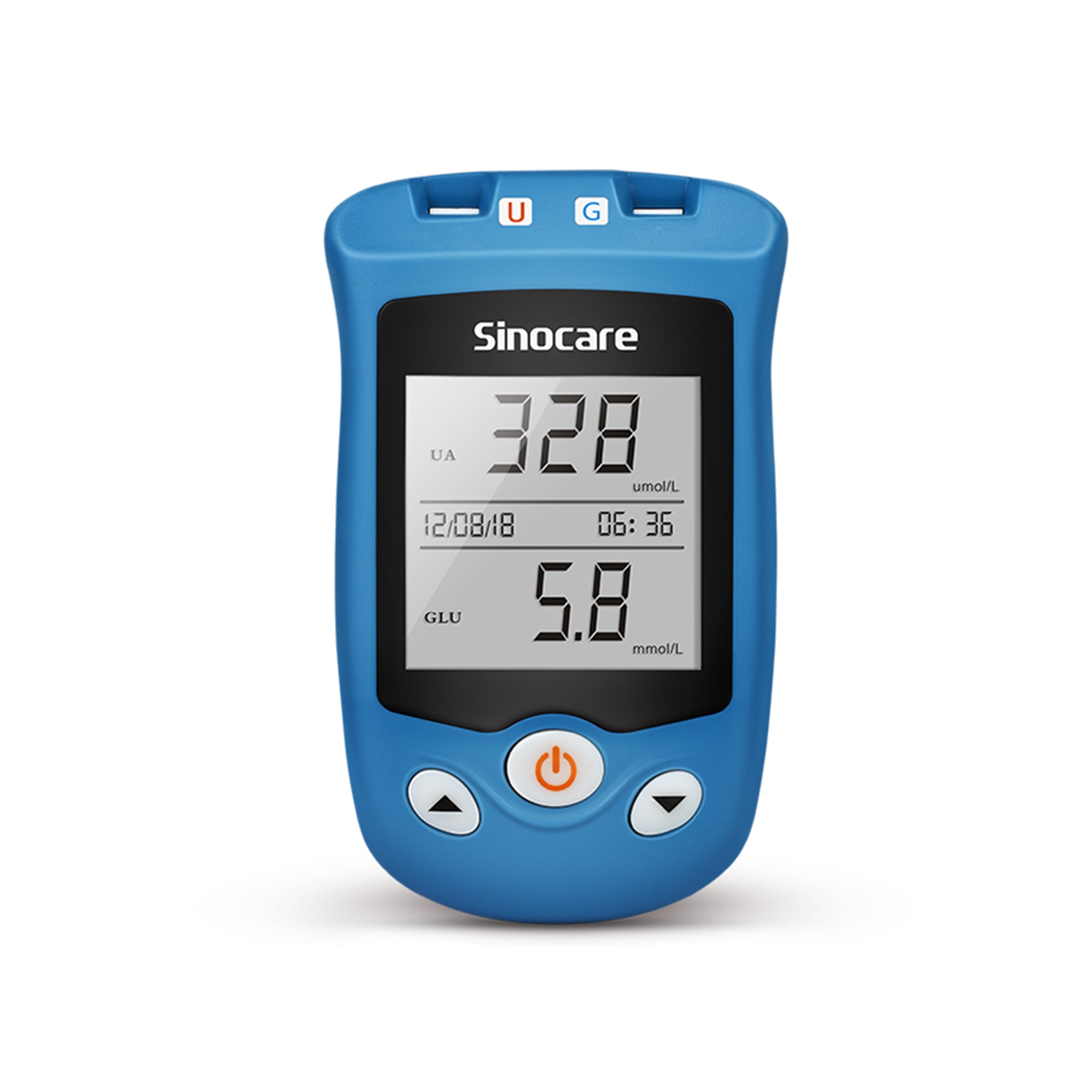
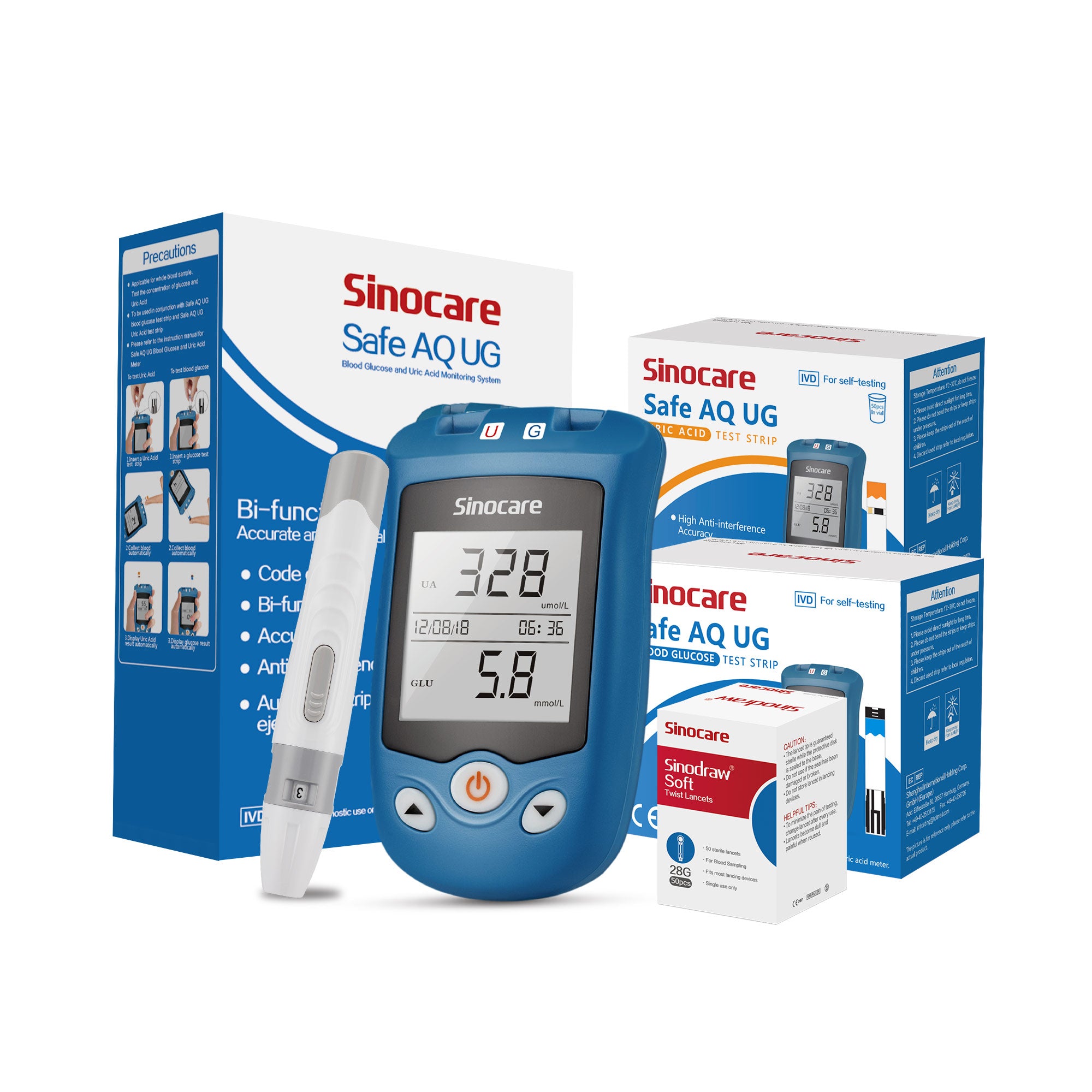
It’s a home uric acid monitor that also works as a blood glucose and uric acid monitor for easy daily testing.
How do I use the Sinocare meter?
Insert a test strip, add a drop of blood, and read your uric acid test or blood glucose result in seconds.
Who needs this monitor?
People with gout, high uric acid, diabetes, or anyone tracking both uric acid and blood sugar levels.
Is the Sinocare Uric Acid Test Kit accurate?
Yes. The uric acid monitor uses advanced biosensor technology for fast, reliable results.
How often should I test?
Test once or twice a week—or as recommended by your healthcare provider—to manage both uric acid and glucose.
What is a normal uric acid level?
Usually between 3.5–7.2 mg/dL. The Sinocare uric acid test kit helps you stay within a healthy range.
Where can I buy the Sinocare monitor?
You can order the blood glucose and uric acid monitor directly from the official Sinocare website.
Blog posts

mg/dL vs mmol/L: What Your Blood Sugar Unit Actually Means
Seeing 5.9 instead of 100 on your new glucometer? Don’t panic—it may simply be using mmol/L instead of mg/dL. Learn how blood glucose units work, how to convert them, and how to identify the unit o...

How to Stop Gout Pain at Night: 6 Ways to Find Relief
Learn how to stop gout pain at night with six practical tips, including pain relief, leg elevation, cold compresses, hydration, and ways to prevent future gout attacks.
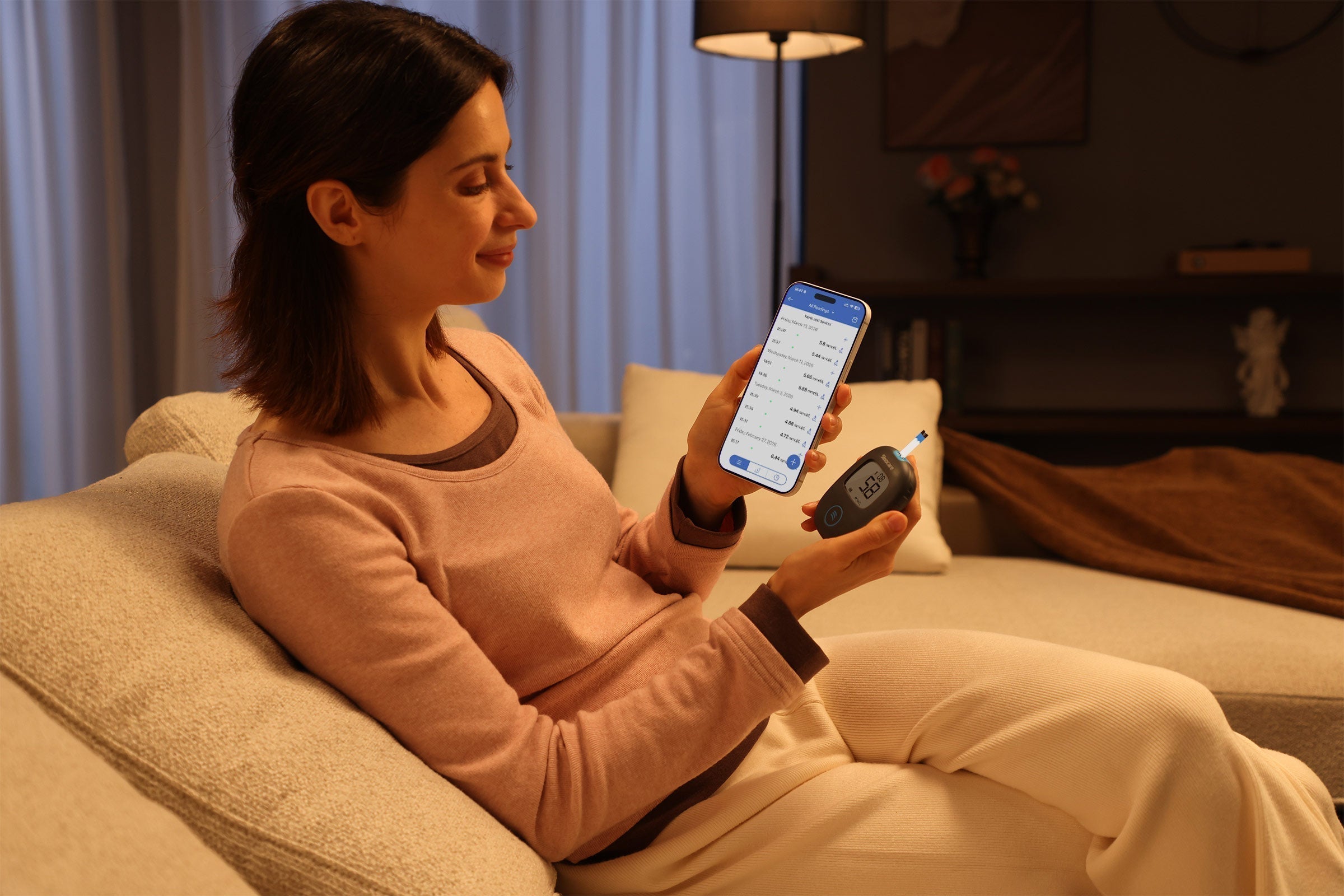
Are Glucose Test Strips Universal?
Blood glucose test strips are not universal and cannot be used interchangeably across different devices. Each glucose meter requires its own compatible strips to ensure accurate results. Using inco...