


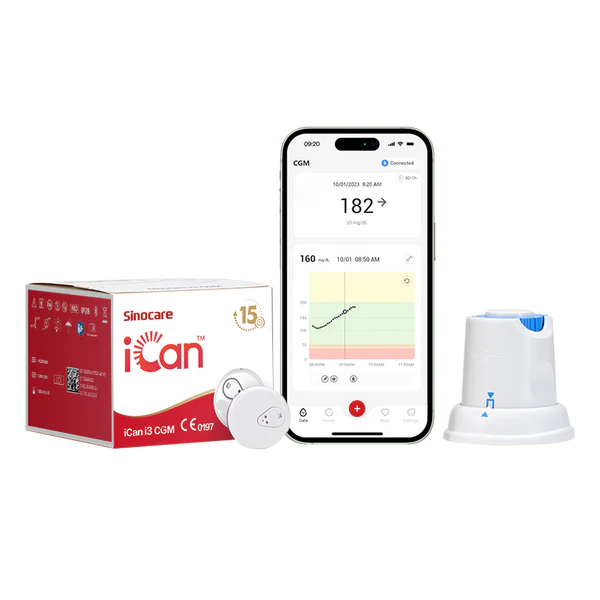
Managing diabetes effectively hinges on understanding blood glucose levels. Two popular tools for this purpose are traditional blood sugar monitors and continuous glucose monitors (CGMs). Each has its unique features, benefits, and drawbacks. This article aims to explore these differences to help individuals make informed choices about their diabetes management.
Understanding Blood Sugar Monitors
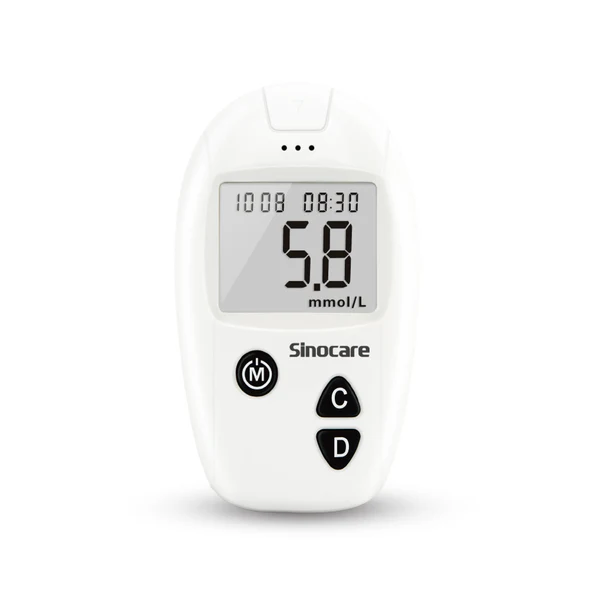
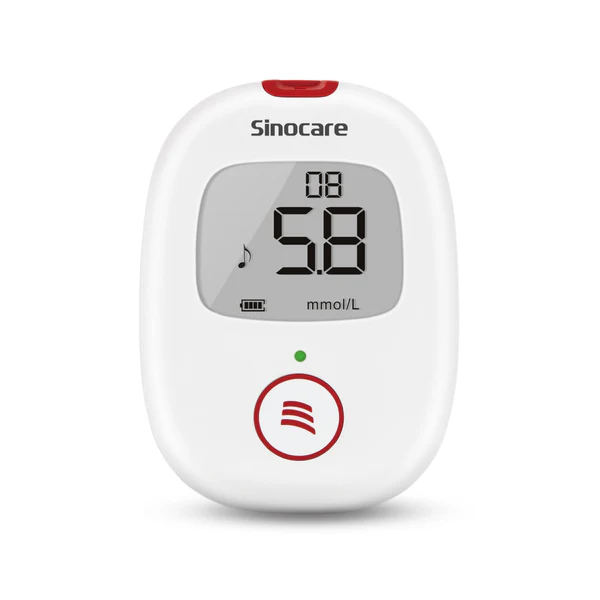
A blood sugar monitor, often referred to as a home blood glucose meter, is a device that requires users to prick their fingers and obtain a drop of blood for testing. This method provides immediate readings of glucose levels, which can be essential for quick decision-making regarding diet and medication. For people with diabetes, understanding how food, exercise, and medication affect glucose levels is crucial, and a reliable blood sugar monitor can facilitate this understanding. Devices like the Sinocare blood sugar monitor are designed for accuracy and ease of use, providing fast results that empower users to manage their condition effectively.
The Advantages of Continuous Glucose Monitors
Continuous glucose monitors, such as the Sinocare iCan CGM, offer a different approach by tracking glucose levels in real time. This technology involves a small sensor placed under the skin, which continuously measures glucose levels throughout the day and night. The data collected is transmitted to a companion app, allowing users to view trends, receive alerts for high or low glucose levels, and share their information with healthcare professionals and loved ones. The ability to monitor glucose continuously can lead to better overall management, increased awareness about fluctuations in glucose levels, and proactive adjustments to diet and medication.
Key Differences Between Monitoring Methods
When comparing blood sugar monitors to CGMs, several key differences emerge. Traditional blood sugar monitors require manual testing, which can be less convenient and may lead to missed opportunities for timely insight into glucose levels. In contrast, CGMs provide continuous data, minimizing the need for finger pricks and enabling users to capture trends over time. However, CGMs can be more expensive, and some users may find the insertion of sensors uncomfortable. Additionally, while a blood sugar monitor provides instant readings, CGMs may take some time to calibrate accurately during initial use.
Choosing the Best Option for Your Needs
Deciding between a blood sugar monitor and a continuous glucose monitor ultimately depends on individual preferences, lifestyle, and specific management goals. For those who favor immediate, straightforward readings, a home blood glucose meter like Sinocare’s offering may be ideal. Conversely, individuals seeking comprehensive data and trend analysis may find that a CGM fits their needs better.
At Sinocare, we are committed to empowering individuals with diabetes through innovative solutions. Our blood sugar monitors and continuous glucose monitors are designed to cater to diverse user requirements, ensuring that everyone has access to effective tools for managing their health. Whether choosing a traditional monitor or opting for a CGM, making an informed decision will significantly enhance diabetes management and overall well-being.

Leave a comment
All comments are moderated before being published.
This site is protected by hCaptcha and the hCaptcha Privacy Policy and Terms of Service apply.