


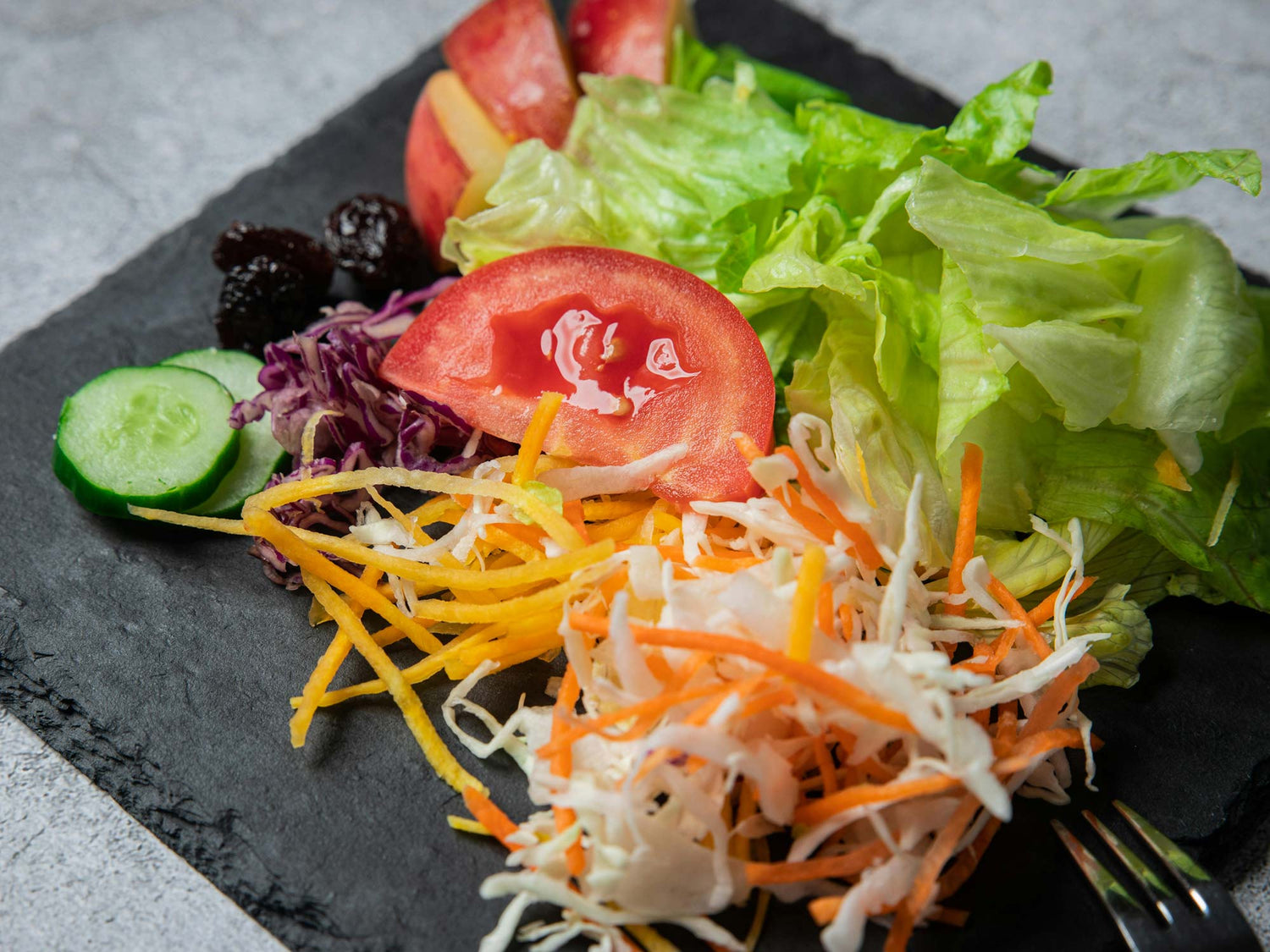
It is a common misconception that having diabetes requires a restrict dietary ban on certain foods. Many patients fear eating fruit, avoid rice, and even consider pumpkins dangerous. Some even resort to extreme dieting, leading to malnutrition and an increased risk of fainting due to low blood sugar.
The truth is, the key to managing blood sugar through diet lies in the glycemic index (GI) of foods and total intake, rather than a one-size-fits-all approach.
If you are also unsure of what to eat, 10 types of foods will not cause blood sugar spikes. You don't have to give up delicious meals to keep your levels stable.
What is the Glycemic Index (GI)?
How to choose blood sugar-reducing foods? You need to understand the glycemic index (GI). The GI is a ranking system (from 0 to 100) that measures how quickly a carbohydrate-containing food raises blood glucose levels. Foods are generally classified into: [1]
- Low GI: 55 or less
- Medium GI: 56-69
- High GI: 70 or above
High-GI foods are rapidly digested and absorbed, causing a sharp peak in blood sugar. Conversely, low-GI foods break down slowly. These foods don't spike blood sugar when eaten in a specific amount, providing a gradual release of glucose into the bloodstream.
Low-GI helps maintain steady energy levels and suppress your hunger.
10 Types of Foods That Don’t Spike Blood Sugar
According to the GI Chart, the following 10 types of foods don't spike blood sugar, along with practical examples and notes for daily use.

1. Whole Grains
Whole grains are less processed and contain more fiber than refined grains. Fiber slows digestion and reduces glucose spikes.
- Quinoa: With a GI of approximately 35-40, it contains all nine essential amino acids and is also high in fiber and magnesium.
- Barley: a low-GI grain of around 25, packed with beta-glucan fiber that slows down the absorption of glucose.
- Brown Rice: A much better alternative to white rice, providing essential B vitamins and fiber that buffer the glycemic response.
2. Leafy Greens
Leafy greens are extremely low in calories and carbohydrates, making them ideal foods that don't spike blood sugar.
- Spinach and Kale: These are rich in magnesium, a mineral that plays a crucial role in helping your body process sugar.
- Chinese Kale (Gai Lan): High in fiber and Vitamin C.
Add them to soups, stir-fries, or simply sauté with olive oil and garlic.
3. Non-Starchy Vegetables
Non-starchy vegetables refer to those that are low in carbohydrates and high in dietary fiber and water, which means they have a smaller impact on blood sugar. Examples include:
- Broccoli and Cauliflower: These cruciferous vegetables are high in sulforaphane, which may help protect against the blood vessel damage associated with diabetes.
- Zucchini: A versatile, low-carb base for many dishes.
Note: Potatoes, yams, and carrots are starchy vegetables. They're nutritious but will affect blood glucose more significantly. Eat them in moderation.
4. Legumes
Legumes are unique because they combine complex carbohydrates with high amounts of plant-based protein and soluble fiber. These include soybeans, black beans, and mung beans.
The soluble fiber in beans creates a gel-like substance in the gut, which significantly delays the entry of sugar into the blood. [2]
5. High-Quality Protein
High-quality protein food has a GI of virtually zero because it does not contain carbohydrates. "Are eggs good for diabetics?" Yes. Foods that contain high-quality protein include:
- Eggs: They provide high-quality protein and healthy fats, which promote satiety without affecting glucose levels.
- Fish: A good source of protein, vitamins, minerals, and omega-3 fatty acids.
Lean Meat: The GI index is generally 0. - Tofu: A perfect plant-based protein that provides a firm texture to meals while keeping blood sugar flat.
These protein sources are essential foods to regulate blood sugar when combined with fiber-rich vegetables.
6. Berries and Low-Sugar Fruits
Many diabetics avoid fruit entirely, but low-sugar-containing fruits provide essential antioxidants and fiber.
- Berries: Blueberries, strawberries, and blackberries have a low GI and are packed with anthocyanins that improve insulin sensitivity.
- Avocados: Avocados are high in healthy monounsaturated fats and fiber, making them a great food for diabetics.
- Apples and Kiwifruit: Pectin in apples and inositol in kiwifruit both help stabilize blood glucose metabolism.
- Grapefruit: High water content and a glycemic index of only 22.
Caution: High-GI fruits like watermelon, lychee, pineapple, and bananas should be consumed in very small portions.
7. Vegetable Oils
Vegetable oils are rich in monounsaturated fats, which help reduce inflammation. Consuming them in moderation can also improve insulin sensitivity.
For example, olive oil, canola oil, and camellia oil are rich in unsaturated fatty acids. Choosing these over animal fats (like lard or butter) is important over time.
8. Nuts
Nuts are among the most convenient and great snacks for diabetics. Walnuts, almonds, peanuts, and cashews provide a trifecta of protein, fiber, and healthy fats. Always choose plain, unsalted, and unflavored varieties to avoid hidden sugars or excessive sodium.
9. Beverages
What can people with diabetes drink? This requires careful selection, as many beverages are very high in sugar.
- Plain Water: The best choice for any diabetic.
- Unsweetened Low-fat Milk and Plain Yogurt: These provide calcium and protein.
Avoid: Honey water, tea, fruit juices, and energy drinks are essentially "liquid sugar" and will cause an immediate spike.
10. Staple Food Recommendations
Some people think skipping carbs and eating only meat and veggies controls blood sugar. But a very low-carb diet can raise ketones and risk ketoacidosis. Diabetics need staple foods; just choose low-GI ones like whole grains, sweet potatoes, and pumpkin.
Others think eating as little as possible is good. That can cause low blood sugar and liver damage. Instead, eat three regular meals a day, with healthy snacks like nuts or whole-wheat crackers if needed.
Dietary Recommendations for Diabetics
Besides “what to eat,” understanding “how to eat” is also very important:
1. Order of Eating
The order of eating matters. Follow this sequence:
- Soup or Water: Start with liquid to create a sense of fullness.
- Vegetables: Eat your fiber first to slow down gastric emptying.
- Protein and Fat: Lead to greater satiety.
- Staple Foods: Save these for last so they are absorbed much more slowly.
2. Take a Walk After Meals
Don't sit down immediately after a meal. A simple 10-minute walk helps your muscles "sop up" the glucose in your blood for energy, naturally lowering your levels.
3. Monitor Blood Sugar Before and After Meals
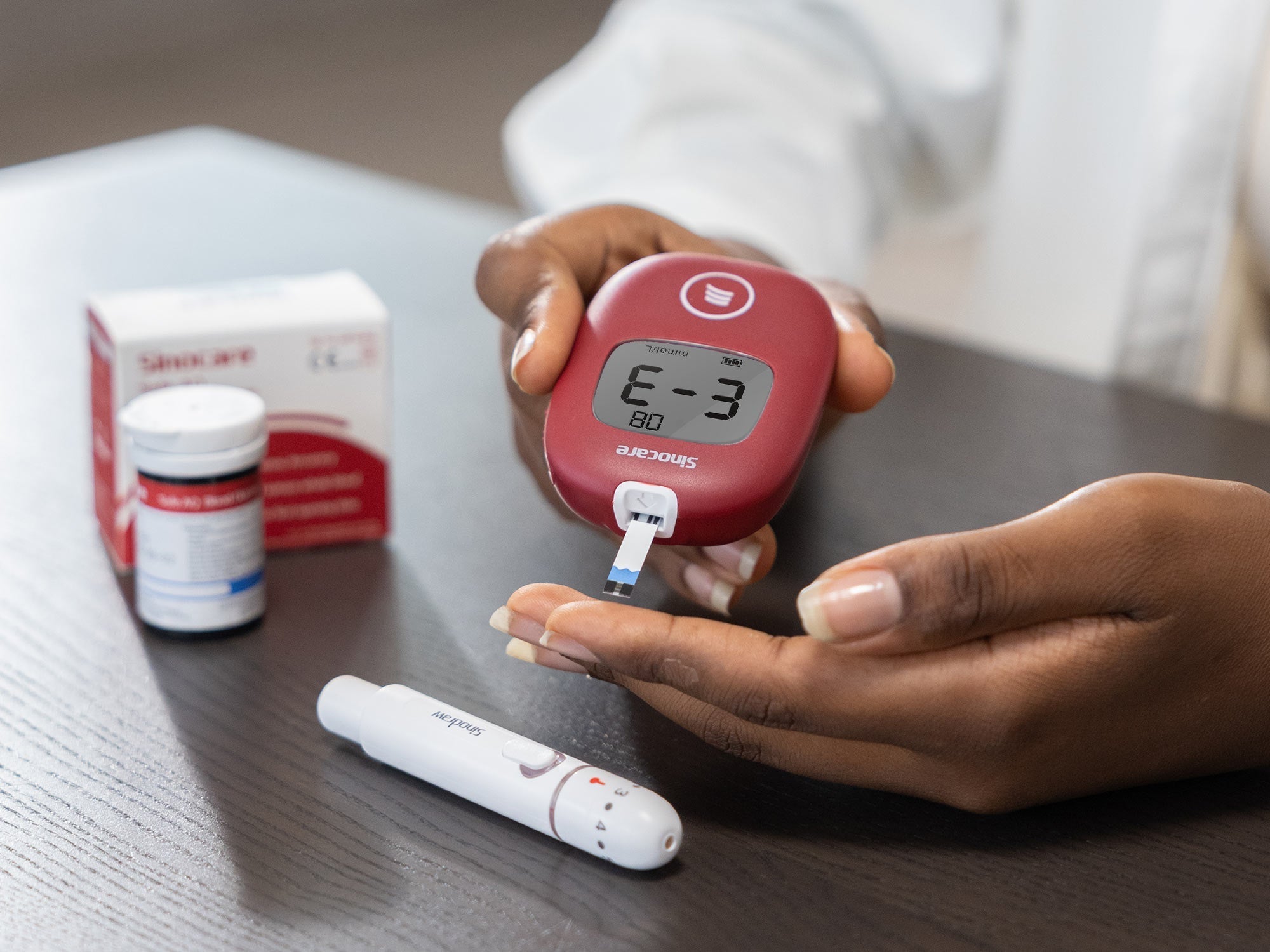
The same foods can cause different blood sugar fluctuations due to several internal and external factors. How to know if your dietary strategy is appropriate? It’s helpful to test your blood sugar with a blood glucose monitor.
- Before eating, checking your blood sugar helps you decide portion size and carbohydrate intake. For example, if your level is already slightly high, you may need to reduce staple foods.
- After meals, testing again (usually 1-2 hours later) shows how your food affected your glucose level. You can identify which combinations work best or cause spikes.
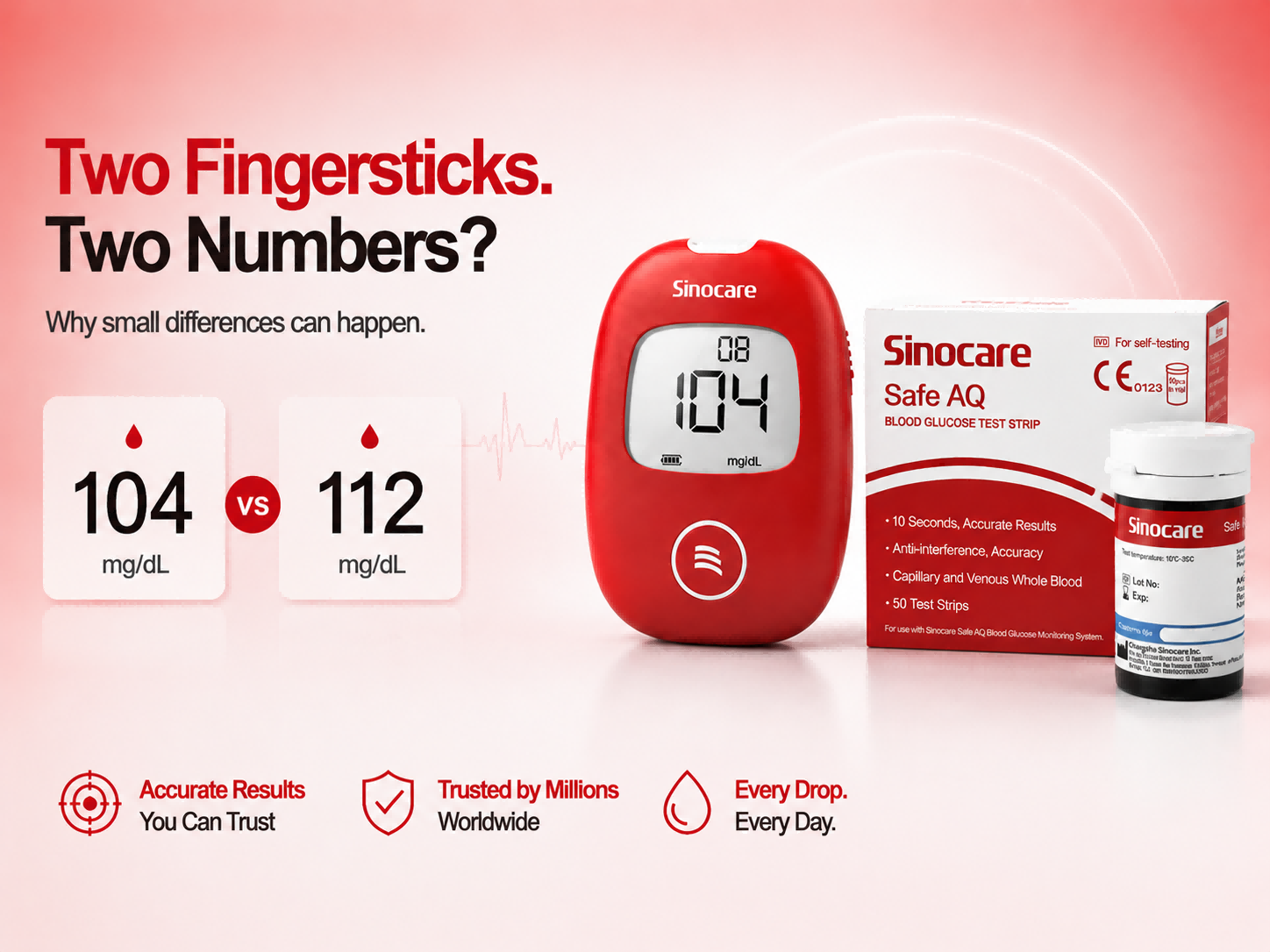
If you are searching for blood glucose meters, Sinocare Safe AQ pro Ⅰ offers the precision you need. With just 1µL of blood sample, you can complete the test within 5 seconds. The five electrode system design and FAD-GDH technology ensure that your readings gain better stability and anti-interference, helping you identify which food low in sugar for diabetes.
Visit the Sinocare website for more information.
References
[1]Glycemic Index (GI) Chart. Available at: https://glycemic-index.net/glycemic-index-chart/ (Accessed: 16 April 2026)
[2]Fiber: The Carb That Helps You Manage Diabetes. Available at: https://www.cdc.gov/diabetes/healthy-eating/fiber-helps-diabetes.html (Accessed: 16 April 2026)Error Codes Decoded: What Your Sinocare Glucose Meter Is Actually Telling You

Leave a comment
All comments are moderated before being published.
This site is protected by hCaptcha and the hCaptcha Privacy Policy and Terms of Service apply.